Spooky Nephew Embroidery Design Review for Real Projects
As an experienced designer and embroidery product reviewer, I’ve seen my fair share of digital files come and go. When I first downloaded the Spooky Nephew SVG design, I was intrigued by its name and theme—something playful yet mysterious. The file is described as a digital embroidery asset suitable for Cricut and Silhouette cutting machines, which immediately tells me it’s intended for both crafters and small business owners looking to add character to their handmade products.
First Impressions: Mood and Visual Personality
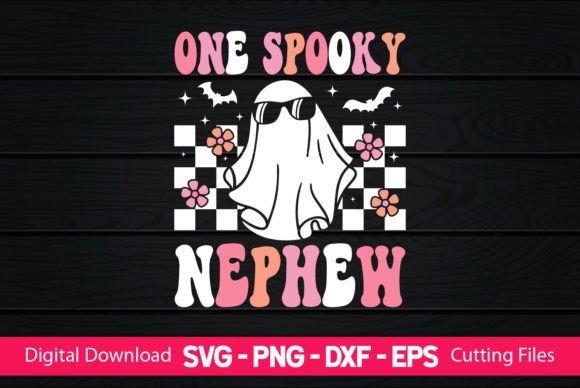
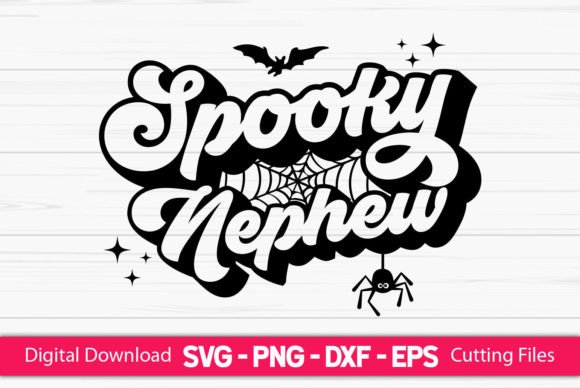
The moment I opened the Spooky Nephew design in my software, I noticed its bold, whimsical layout. It features a cartoonish figure with exaggerated facial expressions and dynamic lines that suggest movement and mischief. The overall mood leans toward fun and spookiness without being too scary—perfect for Halloween-themed items or just adding a cheeky touch to everyday apparel and accessories.
I appreciate how the design maintains a clear focal point while still allowing for creative variations. The visual personality feels approachable and expressive, making it ideal for projects like sweatshirt embroidery or custom apparel where the goal is to stand out in a friendly way. It doesn’t scream “horror,” but instead whispers “playful autumn vibes.”
Theme and Layout Considerations
Thematically, this design works well for seasonal gifts, kids’ wear, and even boutique branding. Its layout is balanced, with enough negative space to prevent overwhelming smaller surfaces. However, if you're working on something like a baby item or a minimalist piece, be mindful of how much of the design you scale up—it could lose its charm if stretched too thin or crowded by other elements.
Real-World Application Scenarios
I decided to test Spooky Nephew on a few common real-life embroidery applications to see how it performs beyond the preview image. Here are some practical insights:
- Tote Bag Design: This design looked fantastic on a cotton canvas tote bag. The contrast between the dark fabric and light thread colors made the spooky character pop, and the stitching held up well after several uses.
- Embroidered Patch: When applied as a patch on a denim jacket, the design maintained its clarity. The stitch density was appropriate, and the satin stitches around the edges gave it a polished finish.
- Custom Apparel (Sweatshirts): On a soft fleece sweatshirt, the design stitched cleanly, though I did notice that some fill areas required extra stabilizer to avoid puckling. Still, the final result had great texture and visual appeal.
- Baby Clothes: While the design is cute, I would hesitate using it on delicate infant garments unless the theme fits exactly. For example, a Halloween onesie might work well, but it’s not the kind of pattern I’d use for every day.
- Tea Towels & Pillow Covers: These were among the best applications. The design’s clean lines and limited color palette translated beautifully into decorative home goods. It added personality without being overwhelming.
Where Spooky Nephew Shines
This design excels in mid-to-large hoop sizes. It’s not too intricate for beginners, but it does offer enough detail to impress more advanced users. The stitch density is moderate, which means it won't strain your machine during long runs, and it's forgiving when it comes to minor tension issues.
If you're an Etsy seller or part of a craft business, consider using it on personalized gifts or holiday items. The design has a unique enough feel to make your listings memorable, especially during fall or winter seasons. It also works surprisingly well in printable mockups—the vector format allows for crisp scaling and presentation.
Where Caution Is Advised
While Spooky Nephew is versatile, there are a few scenarios where it might not perform as expected. Here are some key considerations:
- Small Hoop Sizes: The design contains several detailed elements that may become distorted or lose definition when shrunk too much. Always check the minimum recommended hoop size before starting.
- Textured Fabrics: On fabrics like flannel or felt, the fine details may get lost. Test it on a scrap of similar material first to ensure the outcome matches your expectations.
- Thin or Stretchy Fabrics: Avoid using this design on lightweight knits or stretch materials without proper backing or stabilizer. The weight of the stitching can cause distortion or puckering.
- Dark Fabric Backgrounds: The default thread colors included may not show up clearly on darker materials. I recommend experimenting with alternative thread colors or adjusting the design to maintain visibility.
- Curved Surfaces: If you're planning to embroider it on a cap or curved surface, be prepared to do some manual adjustments. The design is flat, so warping or resizing for curves can affect the proportions.
Detail Handling and Stitch Clarity
One thing I noted during testing was the level of detail in the corners and outlines. While most of the design holds up well, some of the finer lines tend to fray slightly if not stabilized properly. This is important for anyone creating handmade products meant for resale or gift-giving—professional finishes matter.
The mix of fill stitch and running stitch areas is well-balanced, giving the design a dimensional look. But if you’re working on a project that requires frequent washing—like an apron or kitchen towel—you’ll want to test the durability of the threads and how they hold up over time.
Design Impact on Product Value and Branding
In terms of product value, Spooky Nephew adds a nice layer of customization. It helps differentiate standard items into something more unique and marketable. As an embroidery project, it brings a sense of humor and warmth, which is always appealing in personalized gifts.
From a branding perspective, the design has enough character to represent a small shop or boutique identity. If you're in the craft business, using this design consistently across items like pillow covers or tote bags can help build brand recognition. Just be sure the style aligns with your overall aesthetic before committing to multiple pieces.
Customer Reactions and Giftability
I shared a sample of the finished design with a few customers who are familiar with my work. Most found it charming and thought-provoking—especially those who enjoy quirky or nostalgic designs. One customer mentioned it reminded them of old Halloween cards from their childhood, which speaks volumes about its emotional resonance.
That said, the design isn’t for everyone. Some preferred more subtle or traditional motifs. So, if you're considering it for a broad audience, keep in mind that it might polarize opinions. That being said, for niche markets—like spooky-themed parties or retro-inspired fashion—it can be a strong differentiator.
Designer Notes and Best Practices
Here are a few tips I’ve learned from working with digital embroidery files like Spooky Nephew:
- Test First: Always run the design on a scrap of the same fabric you plan to use. Especially if you're planning to sell the finished product, seeing it in real conditions is crucial.
- Review Thread Contrast: If the default colors don’t suit your fabric choice, consider swapping them out for bolder shades. A black-and-white mockup can help visualize this before purchasing thread.
- Check Stitch Density: Depending on your machine and fabric, you may need to adjust the stitch density slightly to avoid bunching or gaps.
- Use Proper Stabilizer: This is especially true for lighter-weight materials or when using dense fills. Underlay or tear-away stabilizer can make all the difference in the final look.
- Confirm Licensing: Before using this design for commercial purposes, always double-check the licensing agreement. Many SVG files are for personal use only, and selling design assets derived from them can lead to legal issues.
Scalability and Versatility
Thanks to its SVG, PNG, DXF, EPS formats, this design is highly scalable. Whether you're making a large wall hanging or a tiny pinback applique, the file retains quality. That makes it a solid option for small shop product lines that vary in size and application.
However, remember that not all formats are equal. If you're using it as an applique design, the SVG format will give you the best control over stitch paths and placement. The PNG is great for mockups or print-on-demand services, but less useful for actual embroidery work.
Final Thoughts on Project Fit
Spooky Nephew is a design that blends nostalgia with modern appeal. It’s not just another Halloween motif—it has a distinct visual language that can elevate your handmade products. For hobbyists and creative entrepreneurs, it’s a fun addition to your design library. For commercial embroidery projects, it can serve as a standout element if used carefully and appropriately.
My advice? Don’t rush into using it for everything. Let the design speak for itself and choose the right context. Whether it's for a custom sweatshirt at a local boutique or a holiday gift for a client, Spooky Nephew has the potential to leave a lasting impression—if handled with care and creativity.
Remember, every embroidery project starts with a thoughtful evaluation. Take the time to understand how this design behaves under different conditions, and you'll unlock its full potential in your Crafts and Graphics toolkit.