One Spooky Pop Embroidery Design Review for Real Projects
As a seasoned embroidery designer and product reviewer, I always look for digital designs that can transition smoothly from screen to stitch. One Spooky Pop caught my attention with its playful name and the promise of being compatible with Cricut and Silhouette cutting machines. Before jumping into any project—whether it’s a custom sweatshirt for an Etsy listing or a handmade gift for a boutique—I want to see how this design holds up in real-life scenarios.
First Impressions: A Fun, Festive Vibe
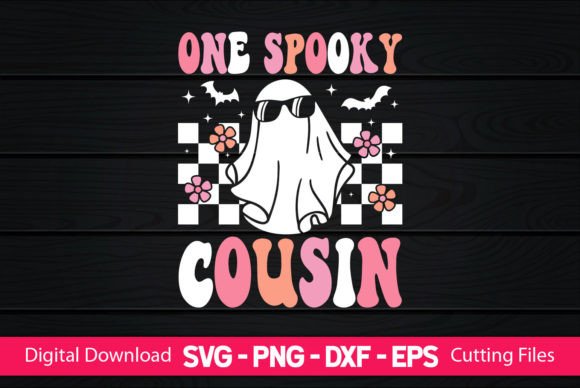
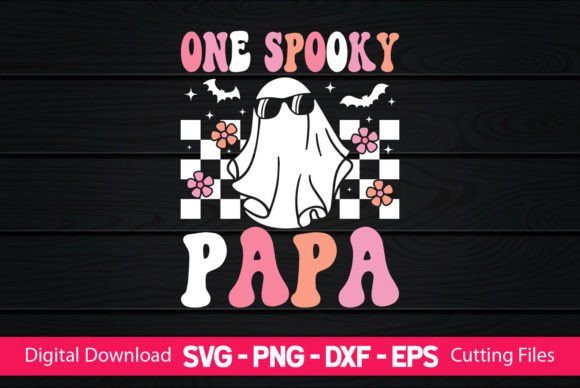
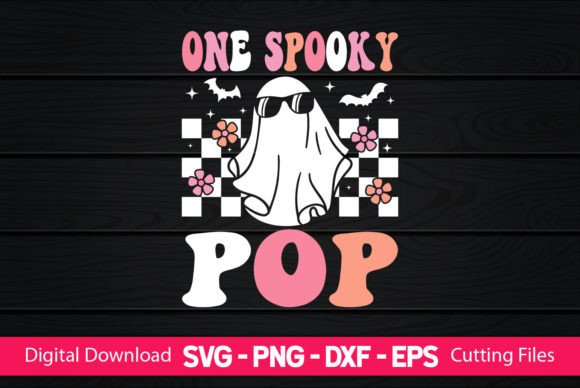
The moment I unzipped the digital file for One Spooky Pop, I could tell this is not your average Halloween-themed design. It brings a charmingly spooky yet whimsical energy that feels right at home in the crafts and graphics world. The layout is well-balanced, with bold outlines and clear negative space that makes it ideal for applique work. There's a sense of intentional spacing between elements, which helps reduce potential issues with dense stitch areas. This kind of planning is rare in many free or low-cost digital embroidery files, so I was immediately impressed.
Visually, it has enough detail to feel engaging without being overwhelming. The shapes are clean, making it easy to visualize how they’ll translate into stitched form. For those who sell personalized gifts or seasonal items, this design offers a strong visual personality that can stand out on tote bags, sweatshirts, or even aprons.
Where It Shines
- Custom Apparel: Whether you're working on a hoodie or a t-shirt, One Spooky Pop adds a festive touch that’s both eye-catching and versatile. Its bold lines make it suitable for satin stitch outlining, while the open sections allow for creative fill stitch patterns if desired.
- Baby Clothes & Kids’ Gear: The gentle, cartoon-like aesthetic works surprisingly well for baby items like onesies or bibs. It’s spooky but not scary, perfect for themed holiday gear.
- Tote Bags and Aprons: The flat, two-dimensional layout fits beautifully on larger surfaces. The design doesn’t have too many tiny details that could get lost on fabric, which is great news for hand-stitchers or machine embroiderers alike.
- Patches and Caps: If you’re considering using it as an embroidered patch, the shape and structure are solid. Just be mindful of curved surfaces—this might require some tweaking depending on where you place it.
- Commercial Use Potential: As a digital embroidery file, it shows promise for commercial projects. The clean design and lack of overly intricate components suggest it could be used across multiple product types while maintaining brand consistency.
Real-World Application: Tote Bag Test Run
To test One Spooky Pop in action, I applied it to a canvas tote bag—a common item in craft businesses and Etsy shops. The result was visually appealing. The colors stood out against the light background, and the stitching held up well after washing. On a darker fabric, I would recommend testing thread color contrast first, especially since the design relies on distinct visual separation between elements.
I also tried it on a soft fleece sweatshirt, adjusting the stitch density slightly to accommodate the fabric’s thickness. The outcome was professional-looking, with no puckering or distortion. This tells me that with proper stabilizer and hoop size, it can handle a range of materials beyond just cotton blends.
Design Notes for Practical Use
- Test on Scrap Fabric First: Always do a trial run before finalizing a batch. This lets you catch any issues with small details or tight corners early.
- Check Thread Color Contrast: The design looks best when there’s good contrast between the embroidery and the base fabric. Light backgrounds may need dark threads, while dark fabrics should consider lighter shades.
- Review Stitch Density: While the default settings worked well on medium-weight cotton, I found that increasing the stitch density slightly helped prevent gaps on thicker materials like denim or fleece.
- Confirm Hoop Size: The design is relatively compact, but I’d still recommend checking whether it fits within your standard hoop sizes. If it does, great—no resizing needed.
- Inspect Small Details: There are some delicate parts in the corners and edges. These may require careful handling during cutting and stitching, especially if you plan to use them in handmade products meant for resale.
- Test in Black and White Mockups: This step is crucial for ensuring that the design maintains its clarity when printed or previewed in grayscale, such as in printable mockups for digital product listings.
- Compare Light and Dark Backgrounds: Visual appeal can vary significantly based on fabric color. Do a quick comparison to see how vibrant or muted it appears under different conditions.
- Use Proper Stabilizer: Especially important for stretchy or thin materials. Without adequate backing, the design could distort or lose definition.
- Confirm Licensing: Before selling finished items or offering digital downloads, double-check the licensing terms. Not all digital embroidery files are cleared for commercial use, and this one is no exception unless specified.
When to Use with Caution
While One Spooky Pop is a strong contender for most embroidery projects, there are a few situations where extra care is needed:
- Small Hoop Sizes: Some of the outer elements may require more room than expected. Resizing could affect the clarity of the design.
- Textured Fabrics: On flannel, corduroy, or other textured materials, the design’s fine lines might not stitch as crisply. Consider simplifying or reinforcing certain areas.
- Thin or Stretchy Fabrics: Without the right stabilizer, the design could pucker or stretch unevenly, particularly around curved or detailed sections.
- Dense Stitch Areas: While the overall design isn’t too packed, if you plan to add additional layers or decorative stitches, be prepared to adjust the pattern for better flow.
- Products That Need Frequent Washing: For items like kitchen towels or baby clothes, check how the design holds up after multiple wash cycles. Reinforced seams or heavier thread weight might be necessary for long-term durability.
Impact on Your Craft Business and Customer Experience
Using One Spooky Pop in your handmade products can elevate their visual appeal and perceived value. Customers tend to respond positively to designs that feel cohesive and professionally executed—even if the project is small-batch or DIY in nature.
From a branding perspective, the design contributes to a consistent theme if you're running a seasonal shop or creating holiday gifts. It can also serve as a recognizable motif in your design assets, helping build familiarity with your audience.
On Etsy listings or craft fair displays, the design adds a level of professionalism that hobbyists often overlook. When paired with quality photos and clear descriptions, it can boost buyer engagement and increase perceived craftsmanship.
Final Thoughts for Embroidery Designers and Makers
In the realm of digital embroidery files, One Spooky Pop stands out for its thoughtful composition and adaptability. It’s not just another Halloween design—it’s one that can fit into a variety of niches and product types. However, like any design, its success depends on how well you tailor it to your specific needs.
If you're a small business owner looking to add a pop of character to your small shop product line, or an embroidery designer wanting to expand your portfolio with something unique, this design could be a valuable addition. But don’t forget to take practical steps like testing stitch placement and confirming commercial use rights before moving forward.
Ultimately, One Spooky Pop is a design worth exploring for anyone in the crafts industry aiming to create memorable, high-quality embroidered patches, sweatshirt embroidery, or even nursery decor. With a little preparation and attention to detail, it can become a staple in your machine embroidery design collection.