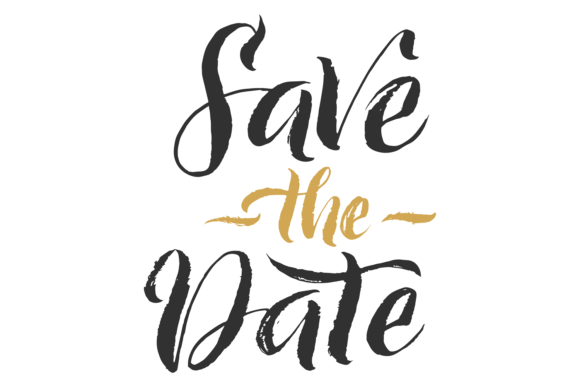
Save the Date Hand Drawn Lettering for Real Embroidery Projects
If you're an embroidery designer or a creative entrepreneur who values authenticity in their craft, Save the Date Hand Drawn Lettering. Wedd immediately stands out as a design with personality. The hand-drawn calligraphy gives it a warm, organic feel that’s hard to replicate with machine-generated fonts. It’s not just a graphic; it’s a mood. From the moment I opened the EPS file and studied its curves and flourishes, I knew this wasn’t your average wedding text design.
Aesthetic First Impressions: What You See Is What You Get
The hand drawn lettering is charmingly imperfect—just enough so to feel real without looking sloppy. The elegant strokes of the letters suggest a romantic, vintage-inspired theme, which makes it ideal for wedding gifts, custom apparel, and boutique branding. Its isolated placement on a white background also means it can be easily adapted into various layouts and combined with other elements like floral motifs or monograms.
As an experienced embroiderer, I appreciate how the design balances detail with simplicity. The SVG and transparent PNG formats are clean, making it straightforward to integrate into mockups or digital storefronts. Whether you’re designing for an Etsy listing or a personalized gift, the visual clarity here is a big plus.
Real-Life Use Case: Custom Sweatshirt for a Wedding Party
Let me walk through a practical scenario. Suppose you’re creating custom sweatshirts for a wedding party. The client wants something unique but still professional. Save the Date Hand Drawn Lettering. Wedd fits perfectly into this context when placed at the center of the garment in satin stitch. The script feels personal and heartfelt, adding a touch of elegance without overwhelming the design.
I would consider using it in two variations: one in gold thread over a light gray fabric for a subtle, high-end look, and another in bold black thread over a white base for maximum contrast. Both options highlight the beauty of the lettering while ensuring readability after stitching.
When working with a sweatshirt, I’d test the design on scrap fabric first to see how the stitch density affects stretch and drape. A medium-weight cotton blend usually works well, but if the fabric is too thin or has a lot of give, adjustments may be necessary.
Where This Design Shines
- Tote Bag Design: Ideal for embroidered wedding favors or bridal shower essentials. The large format allows the lettering to stand out beautifully.
- Sweatshirt Embroidery: Works great as a front-center statement or along the back neckline. Pair with small floral accents for a cohesive look.
- Baby & Nursery Decor: Though it reads “Save the Date,” the font style could easily be adapted for baby showers or nursery wall art with minimal tweaks.
- Embroidered Patch: With proper backing and stitching techniques, this design can become a beautiful patch for jackets, denim, or even leather goods.
- Holiday Gift Tags or Toppers: The softness of the lettering adds charm to handmade tags or wooden embroidery hoop decorations.
In all these cases, the key is maintaining the design's integrity while considering the final product’s purpose and audience. For instance, when selling small shop products like aprons or tea towels, the lettering should be sized appropriately to avoid overcrowding and maintain legibility after multiple washes.
Use with Caution: When It Might Not Be the Best Fit
Despite its versatility, there are situations where this design needs careful handling. If you plan to use it on textured fabrics like canvas or linen, the fine details might get lost. Similarly, applying it to dark fabric could reduce its impact unless the thread colors are chosen with precision.
- Small Hoop Sizes: The design contains some delicate flourishes that won’t render well in tiny hoops. Always confirm the minimum recommended hoop size before proceeding.
- Stretchy Fabrics: Satin stitch doesn't always hold up well on stretchy materials like spandex blends. Consider using a running stitch or adjusting tension.
- Dense Stitch Areas: Some parts of the script require tight stitch spacing. On items like pillow covers or lightweight garments, this can lead to puckering or distortion.
- Frequent Washing: For items like kitchen towels or baby clothes, ensure the design is stitched with durable threads and proper stabilizers to prevent fraying or fading.
I’ve seen similar calligraphy designs struggle on curved surfaces like caps or hats. Unless the file includes specific instructions for shaping or resizing, I’d recommend avoiding such applications. Also, keep an eye on corners and edges—those intricate loops can cause issues if the fabric isn’t stable enough during stitching.
Design Impact on Your Brand and Customer Perception
Using Save the Date Hand Drawn Lettering. Wedd can significantly elevate the visual appeal of your handmade product. It conveys a sense of care and attention, which is essential for building customer trust. In a world where mass-produced items dominate, a design that feels personal and intentional helps your work stand out.
For craft business owners and Etsy sellers, this kind of typography can help establish brand consistency across listings. Imagine using it on packaging, tags, or even in printable mockups—it creates a signature style that customers will recognize and come back for.
From a commercial embroidery standpoint, the design maintains a level of professionalism while still feeling bespoke. It's perfect for personalized gifts or boutique-style merchandise where uniqueness is a selling point.
Designer Tips for Successful Implementation
Before committing to a full production run or sending a custom order to the machine, here are a few things I always do:
- Test on Scrap Fabric: Try stitching the design on a piece of fabric similar to what you’ll use for the actual project.
- Check Thread Color Contrast: Make sure the colors pop against the fabric. Sometimes, a slight shift in hue can make all the difference.
- Review Stitch Density: Adjust settings if needed to avoid puckering or distortion, especially on delicate or stretchy materials.
- Confirm Hoop Size: Don’t assume the design will fit every hoop. If the vendor hasn’t provided specifics, double-check before cutting fabric.
- Inspect Small Details: Zoom in on the design files to ensure no tiny lines or dots will disappear after embroidery.
- Try Black-and-White Mockups: This helps visualize how the design will appear if printed instead of stitched or if used in grayscale.
- Compare Light and Dark Backgrounds: Understand how the design adapts to different color schemes for future projects.
- Use Proper Stabilizer: Especially important for slippery or stretchy fabrics. A tear-away or cut-away stabilizer can save your project from disaster.
- Check Licensing Before Selling: If you're planning to sell finished products or digital assets, make sure the design allows for commercial use. If not, don’t risk it.
Final Thoughts for Creative Makers
Save the Date Hand Drawn Lettering. Wedd is more than just a pretty graphic—it’s a versatile tool for embroidery designers and creative entrepreneurs who want to add character to their work. It brings a sense of warmth and romance that’s perfect for weddings, but also adaptable for other events or themes.
What sets this apart from generic machine embroidery designs is the emotional connection it builds. People can tell it’s handcrafted, even if it’s digitized. That’s powerful in a market where authenticity matters more than ever.
Just remember to treat it with care. Let the design breathe by giving it enough space on the fabric, and don’t push it beyond its intended scale. When used correctly, it becomes a memorable part of the finished product, whether it’s a custom sweatshirt, a tote bag design, or a printable mockup for your next online listing.
So yes, Save the Date Hand Drawn Lettering. Wedd deserves a place in your design arsenal—but only if you understand how to apply it effectively. As with any design asset, the right context and preparation make all the difference.