One Spooky Cousin: A Review for Real Embroidery Projects
As an embroidery designer and product reviewer with years of experience in crafting handmade items, I approach every new design with a mix of curiosity and practicality. One Spooky Cousin caught my attention as a digital embroidery file—SVG, PNG, DXF, EPS formats—offered for Cricut and Silhouette cutting machines. Before jumping into any project, especially ones destined for Etsy or boutique shops, I need to understand how this design will perform on actual materials, what kind of customer it appeals to, and whether it adds value to the finished product.
First Impressions: Mood and Visual Personality
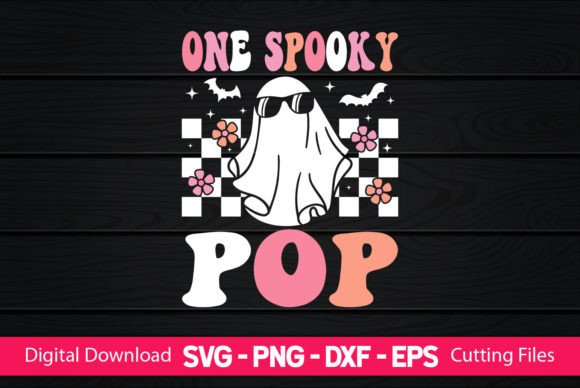
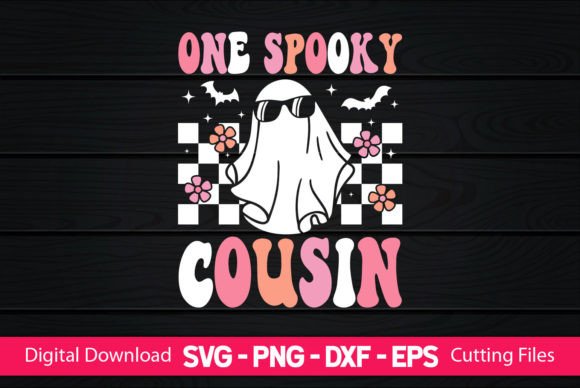
The moment I opened the One Spooky Cousin SVG file, I was struck by its whimsical yet eerie charm. The character has a playful, slightly mischievous look that screams autumn and Halloween, but also feels versatile enough for year-round use if styled right. Its exaggerated features and bold outlines give it strong visual presence, which is great for stand-out designs. However, there’s a balance here—while spooky, it doesn’t lean too far into horror, making it suitable for younger audiences or those who prefer a lighthearted take on the theme.
Visually, the layout is well-structured. It avoids overcrowding while still maintaining enough detail to be engaging. This makes it ideal for applique work where you want the design to pop without overwhelming the garment or fabric. The level of detail is consistent, which means it won't lose its character when stitched at different sizes.
Real-Life Application Scenarios
Let me walk through a few real-world applications to show how One Spooky Cousin could fit into your creative workflow:
- Tote Bag Design: Placed centrally on a cotton canvas tote, this design brings a fun, seasonal flair. Its size and clarity are perfect for a quick, impactful customization. Whether for a fall market or holiday gift, it adds personality without being too loud.
- Sweatshirt Embroidery: On a thicker sweatshirt fabric, the design maintains its shape and contrast well. The bold lines translate nicely into satin stitch, and the negative space allows for breathability in stitching density.
- Baby Embroidery: While the “spooky” element might seem off for baby clothes, the simplified version (if available) could be reimagined as a cute little ghost or shadow figure. With the right thread colors and soft background fabrics, it can easily adapt to a more gentle aesthetic.
- Holiday Embroidery: This design works particularly well during October, but its silhouette-style presentation gives it a timeless quality. Think embroidered pillow covers, tea towels, or even decorative patches for Halloween-themed gifts.
- Embroidered Patch: As a standalone patch, One Spooky Cousin would make a charming addition to denim jackets, backpacks, or felt Halloween decorations. Its clean lines help maintain sharpness when applied via machine embroidery.
For Etsy sellers and small shop products, this design offers a unique angle that can differentiate your offerings from the usual pumpkin and cat motifs. It’s a standout graphic that communicates creativity and brand personality, especially for shops specializing in quirky or themed merchandise.
Design Notes for Stitching Clarity
When considering One Spooky Cousin for a machine embroidery design, it's important to evaluate the following:
- Stabilizer Use: Given the potential for dense areas depending on stitch type, using a good stabilizer is essential—especially for lighter or stretchier fabrics.
- Thread Color Contrast: Test the design on scrap fabric with various thread color combinations. Darker thread colors like black or deep green may enhance the spooky vibe, while pastels can soften the effect for a broader audience.
- Stitch Density: Be mindful of fill stitch areas. If the design includes shaded or filled sections, they might require some adjustment for thin or delicate fabrics to avoid puckering or distortion.
- Hoop Size: Since the exact hoop size isn't specified, always confirm before starting a project. Designs with larger dimensions might not fit in smaller hoops, affecting placement and overall appearance.
Where to Use Carefully
While One Spooky Cousin is visually appealing, it's not one-size-fits-all. Here are some scenarios where caution is needed:
- Small Hoop Sizes: Details might get lost if the design is shrunk too much. Always check if the smallest recommended hoop can accommodate the key features.
- Textured or Stretchy Fabrics: These can distort the final outcome. Smooth, stable fabrics like quilting cotton or twill are safer choices.
- Dark Fabric Backgrounds: Thread visibility may become an issue. Consider using white or cream-colored threads to keep the design visible against darker bases.
- Curved Surfaces: Embroidering on caps or curved surfaces may require reshaping or resizing the design, which could affect its proportions and clarity.
- Frequent Washing: For kitchen towels, aprons, or baby clothes, ensure the design is properly stabilized and stitched to prevent fraying or fading over time.
Visual Appeal and Brand Value
What sets One Spooky Cousin apart is its ability to evoke emotion quickly. It's not just another Halloween icon—it tells a story. That narrative strength translates into higher visual appeal and better customer engagement. When used correctly, it can elevate a simple handmade product into something memorable.
For commercial embroidery projects, consistency matters. This design, once finalized, should look uniform across all products. That helps build brand recognition and trust. Customers come back to businesses they know deliver quality and style—this design supports both.
If you're an embroidery project enthusiast or creative entrepreneur, consider how this design impacts the product value. A well-executed spooky cousin can turn a basic item into a personalized gift or a statement piece. It's not just about aesthetics; it's about creating emotional resonance and repeat business.
Practical Designer Tips for Success
Here are some actionable tips I've learned over the years that apply specifically to working with One Spooky Cousin:
- Test on Scrap Fabric First: Especially if you're planning multiple uses or selling the design as part of a kit, always do a trial run to see how it holds up under different conditions.
- Use Black-and-White Mockups: Before choosing thread colors, test the design in grayscale. This helps determine if the shape remains clear and recognizable regardless of the chosen hues.
- Check Lighting Conditions: Compare the design on both light and dark fabric backgrounds. Sometimes, subtle details only appear clearly under certain lighting.
- Review Commercial Licensing: If you're planning to sell finished products or digital assets featuring this design, make sure you have the proper licensing in place. Otherwise, you risk legal issues down the line.
- Inspect Tiny Lettering: If the design includes text, verify that it remains legible after stitching. Small fonts can easily become illegible or blurry.
Final Thoughts for Crafters and Entrepreneurs
In summary, One Spooky Cousin is a solid choice for craft business owners and digital product sellers looking to add a touch of humor and seasonal charm to their lineup. It performs well on most common embroidery substrates and fits naturally into a variety of embroidery project types—from custom apparel to holiday gifts.
However, don't underestimate the importance of testing. Every fabric, machine, and hoop setup behaves differently. Take the time to experiment with stitch types, thread colors, and stabilizers to ensure the best possible outcome. Also, always double-check compatibility with your cutting machine and confirm whether the design is suitable for commercial use before offering it for sale.
With the right preparation, One Spooky Cousin can become a staple in your design portfolio. It's not just a graphic—it's a conversation starter, a branding tool, and a way to connect with customers who appreciate thoughtful, thematic design. So go ahead, download it, and let your creativity bring it to life in your next handmade product or personalized gift project.