One Spooky Nonnie Review: A Designer’s Honest Take
As an embroidery designer who regularly tests new digital files for real-world use, I approach each design with a critical eye. One Spooky Nonnie is no exception. This SVG file promises to be print-ready for Cricut and Silhouette machines, but does it truly stand up to the demands of practical crafting? Let’s dive into how this design performs across different projects and what you should consider before stitching it onto your next handmade product.
First Impressions: Mood and Visual Personality
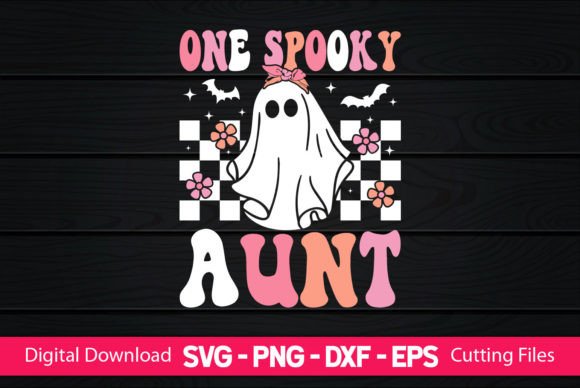
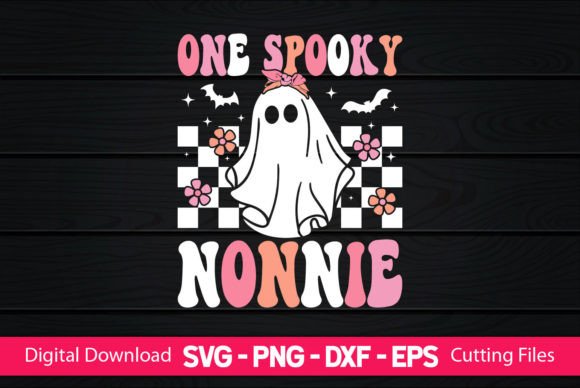
The moment I opened One Spooky Nonnie, I was struck by its whimsical charm. It’s clearly intended for a playful, spooky aesthetic—perfect for fall or Halloween-themed items. The character design is lighthearted yet detailed enough to add visual interest without overwhelming the fabric. Its layout feels balanced, with just the right amount of negative space to let the stitching breathe.
I appreciate that the design isn’t too cluttered. It has a distinct personality—think of a cheeky ghost with a mischievous grin. That kind of visual appeal can make all the difference when creating personalized gifts or seasonal merchandise for your craft business. The level of detail suggests it would work well as an applique design, especially if paired with contrasting thread colors or fabric textures.
Real-Life Use Cases for One Spooky Nonnie
Let’s imagine a scenario where I’m preparing custom embroidered sweatshirts for a boutique pop-up shop. One Spooky Nonnie fits right in here. Its shape is compact and centered, which makes it easy to position on a hoodie or tote bag. The design could also work beautifully on a baby item like a onesie or blanket, especially if styled with soft pastel threads to give it a gentle, less eerie feel.
If I were an Etsy seller, I’d see this design being popular for holiday gifts, such as embroidered patches attached to backpacks or jackets. It’s versatile enough to adapt to multiple handmade products while maintaining its core identity. For custom apparel, the design's simplicity allows for creative layering—imagine adding a name below the character using running stitch or a monogram in satin stitch.
On kitchen towels or pillow covers, One Spooky Nonnie brings a fun element that can elevate the look of a small shop product. As long as the fabric is stable and the hoop size accommodates the design, it could become a signature asset in your line of holiday embroidery.
What About Commercial Projects?
For those looking to scale their craft business, it’s important to note that this is a digital embroidery file, not a physical product. While it looks great in mockups, always confirm whether the design comes with commercial licensing rights. If you plan to use it for commercial embroidery, double-check the terms to avoid legal issues down the line.
Where to Use One Spooky Nonnie Carefully
Though charming, One Spooky Nonnie isn’t suited for every surface or fabric type. Here are some scenarios where extra caution is needed:
- Small hoop sizes: The design has several fine details that might get lost if you try to fit it into a tight space. Test it first on scrap fabric to ensure clarity.
- Textured or stretchy fabrics: On materials like flannel, denim, or knits, the stitch density may need adjustment to prevent puckering or distortion.
- Dark fabric backgrounds: The contrast between the design and the base fabric matters. If stitched on black or navy, thread color choices will be crucial to maintain visibility.
- Curved surfaces: Placing it on a cap or hat could cause warping unless the design is specifically optimized for curved placement.
- Products needing frequent washing: Dense stitch areas may fray over time. Consider using a washable stabilizer and high-quality thread to preserve the finished product.
These limitations don’t mean the design is unusable—they simply highlight the importance of understanding your project before committing to the final piece.
Impact on Product Value and Customer Perception
When used appropriately, One Spooky Nonnie can significantly enhance the visual appeal of your handmade product. It adds a sense of character and intentionality, which customers notice. In a world where mass-produced goods dominate, having a design that feels unique and thoughtfully placed helps build customer trust and brand consistency.
As an embroidery project for personal or small-batch production, this design offers a good balance between creativity and practicality. For example, it could serve as a decorative accent on a tote bag or be the focal point of a nursery wall hanging. Either way, it contributes to a more professional finish and increases the perceived value of the personalized gift or product.
Designer Notes: Tips for Getting the Most Out of the File
Here are some practical steps I recommend when working with One Spooky Nonnie:
- Test on scrap fabric: Especially if you're planning to use it on a delicate or textured material.
- Check thread color contrast: Ensure the design stands out against the background fabric. Try both light and dark options.
- Review stitch density: Adjust fill or satin stitches as needed to match the fabric weight and desired outcome.
- Confirm hoop size: Avoid forcing the design into a smaller hoop than recommended to keep the details intact.
- Inspect small details: Ghostly features like facial expressions or subtle shading may require careful handling to remain clear.
- Use proper stabilizer: This will help prevent shifting or puckering during stitching, especially on thin or stretchy materials.
- Consider black-and-white mockups: Before choosing thread colors, test how the design appears in grayscale to understand its structure better.
- Compare fabric types: See how it behaves on cotton, linen, or blends. Each reacts differently to embroidery.
- Verify licensing: If you're selling finished items or digital assets, make sure the design permits commercial use.
Final Thoughts from a Maker’s Perspective
One Spooky Nonnie is a solid addition to any embroidery designer’s collection, particularly if you focus on seasonal or whimsical designs. It doesn’t scream complexity, but that’s exactly why it works so well—it’s accessible, recognizable, and adaptable.
Its potential lies in thoughtful application. Whether you’re making a batch of sweatshirt embroidery for your online store or creating a personalized gift for a customer, this design can contribute to a cohesive and engaging look. However, success depends on matching it with the right fabric, hoop, and presentation style.
So, if you’re an Etsy seller, a small shop owner, or a hobbyist looking to expand your design assets, consider how One Spooky Nonnie can bring a touch of spookiness to your offerings. Just remember to treat it like any other machine embroidery design: with care, curiosity, and a willingness to tweak until it fits your vision perfectly.