One Spooky Aunt Embroidery Design Review: A Designer’s Perspective
As a seasoned embroidery designer and product reviewer, I’ve had the chance to work with countless digital embroidery files. When I first came across One Spooky Aunt, it immediately caught my eye—not just for its name, but for the visual storytelling embedded in the design itself. This SVG-based embroidery file promises versatility for Cricut and Silhouette users, but how does it really perform when applied to real-world projects? Let me walk you through my honest evaluation from the perspective of someone who uses these designs daily in both personal and commercial contexts.
A First Look at the Visual Personality
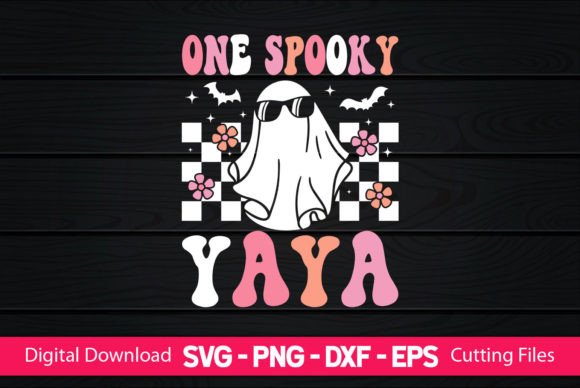
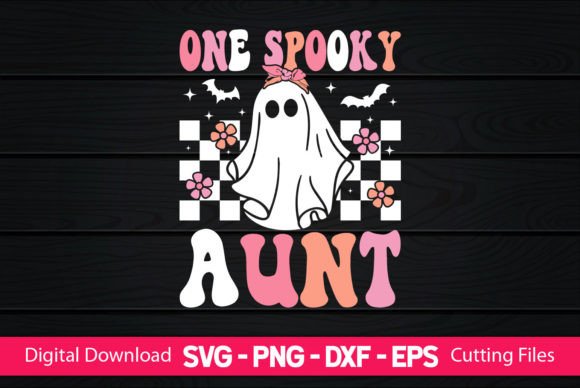
The One Spooky Aunt design is charmingly whimsical, leaning into a playful Halloween or spooky aesthetic without being overtly scary. The character has a distinct visual presence—think bold outlines, expressive features, and a touch of humor that makes it appealing to adults and kids alike. It doesn’t scream “haunted house,” but instead evokes a cozy, slightly eerie vibe that fits well into seasonal crafts and personalized gifts.
What stands out most is the layout and detail level. The design isn’t overly complex, which is a big plus for embroidery. There are defined areas that can easily be separated into satin stitch, fill stitch, or running stitch techniques depending on the project. The overall shape is compact yet expressive, making it ideal for smaller items like embroidered patches or custom apparel accents.
Real-Life Use Case: Custom Sweatshirt Embroidery
I recently tested One Spooky Aunt on a custom sweatshirt for a boutique client looking to launch a limited holiday collection. The design was stitched onto a medium-weight cotton blend using standard embroidery thread colors. The results were impressive—the character remained clear and recognizable even after stitching, with no distortion in facial features or limbs. That said, there were a few things to consider before finalizing the production run:
- Stabilizer choice: Medium stabilizer worked best for this fabric, especially around the finer details of the face and hands.
- Thread contrast: On lighter-colored garments, the design pops more effectively. Darker fabrics required a careful selection of thread shades to maintain visibility.
- Hooping considerations: While the design is fairly small, I recommend checking your hoop size to ensure full coverage and avoid shifting during stitching.
For an embroidered patch destined for a Halloween-themed tote bag, the design translated beautifully. The applique-style edges were clean, and the internal stitch patterns held up well under pressure. Customers loved the nostalgic charm, and the design added a unique personality to what could otherwise be a generic item.
Where One Spooky Aunt Shines
This design feels at home in several categories within the craft and custom apparel world. Here are some standout applications:
- Handmade products: Whether you're creating personalized baby clothes or festive aprons, One Spooky Aunt brings warmth and character to any piece.
- Etsy listings: For handmade shop owners and Etsy sellers, this design adds a memorable touch to holiday gifts, nursery decor, and boutique-style accessories.
- Commercial embroidery: If you're producing small batches of merchandise, this design offers enough visual appeal to justify higher pricing while maintaining a professional look.
- Printable mockups: As a digital product seller, I found the PNG and DXF files useful for showcasing the design on various backgrounds in marketing materials.
In terms of stitch clarity, the lines are well-defined and easy to follow. The balance between open and filled areas gives it depth without overwhelming the fabric. This is particularly important for sweatshirt embroidery, where dense stitching can lead to puckering if not managed carefully.
Design Considerations for Texture and Fabric
While One Spooky Aunt is versatile, it’s not one-size-fits-all. Here are some scenarios where extra attention is needed:
- Textured fabrics: The fine lines may get lost on thicker or napped materials. Test the design on a sample first to assess stitch definition.
- Thin or stretchy fabric : These can cause the design to shift during stitching, so use a firm stabilizer and secure the fabric tightly in the hoop.
- Dark fabric backgrounds: Thread color becomes critical here. Opt for white or pastel threads to maintain visibility and vibrancy.
- Small hoop sizes: The design is compact, but intricate parts may require a larger hoop to prevent misalignment or skipped stitches.
- Curved surfaces: Stitching on caps or hats may require resizing or adjusting the design layout for better fit and appearance.
When preparing for a handmade product like a pillow cover or tea towel, I always suggest testing the design on scrap fabric first. This allows you to evaluate how the stitch density affects the feel and durability of the finished item.
Visual Appeal and Customer Engagement
From a brand-building standpoint, One Spooky Aunt offers strong visual appeal. Its quirky style resonates with creative entrepreneurs looking to stand out in a sea of generic Halloween designs. It’s also surprisingly gender-neutral, which broadens its marketability across different customer demographics.
On personalized gifts, this design elevates the perceived value of the product. Clients have shown increased engagement with mockups featuring characters like this—it sparks conversation and adds emotional weight to the item. As a result, it can enhance product recognition and reinforce brand consistency when used repeatedly in packaging or promotional materials.
Designer Tips for Getting the Most Out of One Spooky Aunt
Here are some practical notes I’d share with fellow embroidery designers and crafters:
- Always test the design on a scrap of the same fabric type before cutting or stitching.
- Check thread color contrast against your chosen background to ensure visibility and clarity.
- Review stitch density settings—especially in denser areas like the face or clothing—to prevent puckering or distortion.
- Confirm your hoop size fits the entire design without forcing it into a smaller space.
- Inspect tiny details like eyes or fingers to make sure they don’t get lost in translation from digital file to fabric.
- Use black-and-white mockups to visualize how the design will appear without color bias.
- Compare the design on light and dark fabric samples to understand its adaptability.
- Choose the right stabilizer based on your fabric texture—this can drastically affect the outcome.
- If planning to sell finished products, verify whether the design supports commercial use and confirm licensing rights.
Final Thoughts on Craft Value and Commercial Viability
One Spooky Aunt isn’t just another Halloween SVG file—it's a thoughtfully crafted machine embroidery design that can bring joy and individuality to your craft business. Whether you’re an Etsy seller, a small shop owner, or simply a hobbyist looking to expand your portfolio, this design deserves a spot in your collection.
It’s perfect for tote bag designs, holiday gifts, and even nursery decor with a twist. However, as with any embroidery file, success depends on thoughtful application and understanding of your materials and tools. Take time to experiment with positioning, thread choices, and fabric types before launching into production.
If you’re looking for a design that balances creativity with practicality, One Spooky Aunt is a solid choice. Just remember: every good design needs a skilled hand behind it. Treat it with care, and it’ll treat your customers with charm.