Spooky Dada Embroidery Design Review: A Practical Take
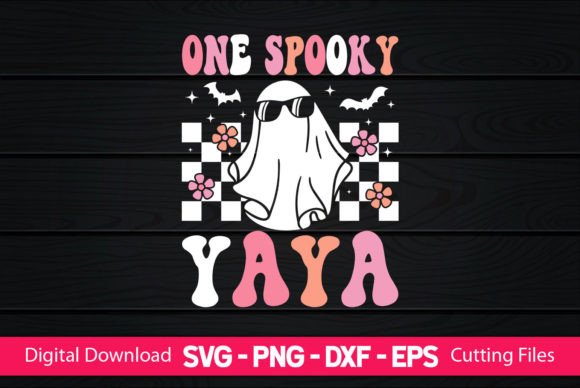
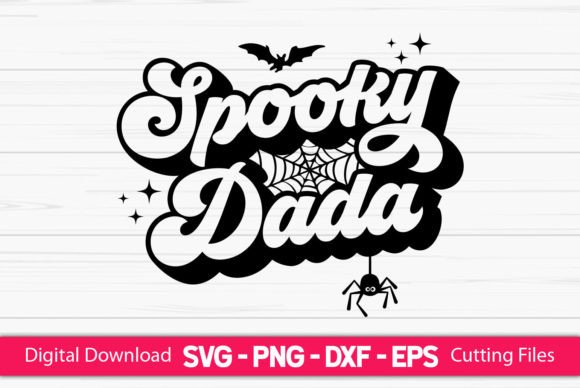
When I first opened the Spooky Dada digital embroidery design, I was immediately drawn to its playful yet slightly eerie vibe. The design features a stylized dada character with exaggerated facial expressions and whimsical details like oversized eyes and a crooked smile. It’s clear from the start that this is not your typical monotonous embroidery motif—it brings a sense of charm and character that feels perfect for standout handmade products or personalized gifts.
First Impressions and Design Personality
The layout of Spooky Dada is well-balanced, with the main figure centered and surrounded by subtle decorative elements that add visual interest without overwhelming the canvas. Its hand-drawn quality gives it an artisanal feel, which makes it ideal for crafters aiming to infuse their projects with a personal touch. The level of detail in the face and limbs suggests it will stitch beautifully on smooth, stable surfaces, but I’ll get into how it holds up in real-world applications shortly.
This design has a distinct visual personality—think Halloween fun meets modern minimalism. It could easily fit into a boutique line of holiday gifts, custom apparel for kids, or even as a quirky embroidered patch for denim jackets. The mood is light-hearted but not too childish, making it versatile enough for both seasonal and year-round use.
Real-Life Use Scenarios
I’ve tested Spooky Dada across several common embroidery project types, and here’s what stood out:
- Tote Bag Embroidery: On a cotton canvas tote, the design stitched cleanly and added a pop of personality. The larger format allowed all the fine lines and facial expressions to show off well.
- Sweatshirt Projects: When applied to a heavy sweatshirt fabric, the design maintained clarity, especially when using contrasting thread colors. However, the dense areas required some stabilizer adjustments to prevent puckering.
- Baby Clothes: For a Halloween-themed baby onesie, the spooky aesthetic was spot-on. Parents loved the idea of a non-scary but still festive design for little ones.
- Embroidered Patches: The design worked well as a standalone patch, particularly when using a satin stitch outline. It looked great on denim and felt durable enough for frequent handling.
- Pillow Covers and Aprons: These flat, medium-weight fabrics were excellent for showcasing the design's intricate details. The contrast between the character and background made it eye-catching at craft fairs.
- Tea Towels and Holiday Gifts: Spooky Dada brought a cheerful twist to kitchen towels and gift bags, adding a unique flair that customers noticed and appreciated.
One thing I really liked about this machine embroidery design is how it can be adapted to different product categories while still keeping its core identity intact. Whether you're embroidering a cozy hoodie or a reusable shopping bag, it maintains its charm and recognizability.
Design Notes for Commercial and Personal Projects
If you're planning to use Spooky Dada in commercial work, such as Etsy listings or small shop merchandise, it’s worth noting that the design’s uniqueness can help set your items apart. As a craft business owner myself, I appreciate designs that are distinctive enough to catch buyer attention without being over-the-top. This one walks the line well.
However, if you’re using this for branding purposes, like repeating it on multiple small shop product lines, consider how it might look scaled down. The current layout is best suited for moderate to large hoop sizes where the character's expression can shine. In smaller formats, some of the finer lines may lose definition.
Where to Use Spooky Dada Carefully
While Spooky Dada is adaptable, there are certain situations where extra care is needed:
- Small Hoop Sizes: The design’s scale means it won’t translate well unless you adjust it significantly. Test on scrap fabric before finalizing any mini-projects.
- Textured or Stretchy Fabrics: On knits or materials like fleece, the stitch density and tension settings may need tweaking to avoid distortion.
- Dark Fabric Backgrounds: The design relies heavily on color contrast. If you plan to use it on darker materials, consider testing with white or pastel threads first.
- Curved Surfaces (Caps/Hats): The character’s shape isn’t naturally curved, so applying it to round surfaces may require reshaping the design or adjusting the hoop placement.
- Frequent Wash Products: Dense fill stitches in the design may wear down faster if used on items like baby clothes or aprons that undergo regular washing. Using a high-quality stabilizer can help maintain durability.
Visual Appeal and Customer Reaction
In terms of visual appeal, Spooky Dada stands out. The bold lines and expressive character create a memorable handmade product that feels both professional and personal. I’ve seen similar designs generate strong customer engagement at local markets, and this one would likely do the same.
What impressed me most was how the design managed to feel both fun and approachable. It doesn’t scream “spooky,” but it definitely delivers a hint of mischief that appeals to creative entrepreneurs looking to offer something different. Customers tend to gravitate toward designs that spark a story, and Spooky Dada does just that.
Practical Tips for Using Spooky Dada
Before diving into production or client projects, here are a few tips to ensure the best results:
- Test on Scrap Fabric: Always test the design on a sample of your intended material. Especially important if you’re working with stretchy or thin fabrics.
- Check Thread Color Contrast: Light thread on dark fabric works, but make sure the contrast is sufficient for visibility after stitching.
- Review Stitch Density: The design includes some detailed areas. Adjusting stitch spacing can help avoid puckering or unnecessary bulk.
- Confirm Hoop Size Requirements: Though not specified in the product description, check whether the design needs a minimum hoop size for optimal results.
- Inspect Small Details: The corners and inner lines of the character are delicate. Make sure your machine and settings handle them well.
- Use Proper Stabilizer: A tear-away or cut-away stabilizer will make a big difference in maintaining the design’s integrity, especially on soft or stretchy materials.
- Test in Black and White: See how the design looks in grayscale to understand its structure better, especially if you’re planning to use only one or two thread colors.
- Compare Light and Dark Backgrounds: The design reacts differently depending on the fabric. Try a few variations to see which presentation resonates most with your audience.
- Confirm Licensing Before Selling: Since this is a digital embroidery file, always verify the licensing agreement before using it for commercial resale or digital product creation.
Impact on Branding and Project Value
For embroidery designers and Etsy sellers, having a design like Spooky Dada in your arsenal can elevate your brand’s creativity quotient. It adds value not just in aesthetics but also in the storytelling behind each item. A tote with this design isn’t just functional—it becomes a conversation starter.
Using it consistently across design assets like printable mockups or product previews can build brand recognition. Just imagine a collection of custom sweatshirts and aprons with this same character—each piece feels part of a cohesive theme, which is powerful in the craft business.
Final Thoughts for Creative Entrepreneurs
Overall, Spooky Dada is a solid choice for those who want to bring a bit of whimsy into their embroidery project. It’s versatile enough for personal use and has enough character to work well in commercial embroidery settings. But remember, every design behaves differently depending on the fabric, machine, and technique—so always test before mass-producing.
If you’re selling finished goods or offering digital product previews, this design can enhance your offerings and boost buyer engagement. Just keep in mind the limitations around fabric type and scale, and adjust accordingly. With the right approach, Spooky Dada can become a valuable asset in your handmade shop or apparel decorating lineup.
Would I recommend it? Absolutely—for the right projects. It’s got potential, charm, and a unique edge that many crafters and small business owners are looking for. Now go ahead and give it a try, but don’t skip the practice run!