Spooky Fafa Embroidery Design Review
First Impressions: Mood and Visual Personality
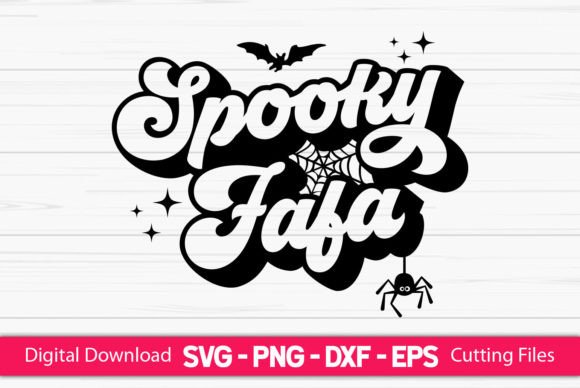
When I first opened the Spooky Fafa digital embroidery file, I immediately noticed its whimsical charm. The design brings a playful yet slightly eerie vibe—perfect for seasonal projects or boutique-style handmade items. Its shape is rounded and friendly, with subtle spookiness in the facial details that makes it feel like a classic Halloween character reimagined for modern crafters. As an experienced designer, I look for more than just visual appeal; I want to know how it will translate into real-world stitching. Spooky Fafa’s layout is balanced and well-proportioned, which suggests it can be scaled effectively across various products without losing its identity. The level of detail is moderate, making it suitable for both quick custom gifts and more polished commercial designs. It feels like a design that could easily become a staple in your collection of go-to embroidery files, especially for those who specialize in holiday-themed handmade products.Real-World Applications and Project Fit
I often test new machine embroidery designs on tote bags before moving them into other applications, so I started by imagining how Spooky Fafa would look on a cotton canvas bag. The face and body proportions are ideal for this type of project—large enough to make an impact but not overwhelming. When paired with a few simple text lines (like “Trick or Treat” or a name), it transforms the item into a personalized gift or a festive addition to a fall collection. The same goes for sweatshirt embroidery. On a soft French terry fabric, the gentle curves and minimal negative space of Spooky Fafa would stitch cleanly and maintain definition even after multiple washes. For baby clothes or nursery decor, I’d recommend toning down the spooky elements—maybe using pastel thread colors—but the design's structure still lends itself well to smaller, softer expressions. If you're considering using this as an embroidered patch, it works beautifully as a standalone piece. The clear outlines and consistent fill areas make it easy to stitch out with good clarity, especially if you’re using satin stitch around the edges and a mix of fill and running stitch inside.What It Naturally Belongs To
- Holiday gifts, particularly for autumn themes
- Custom apparel such as hoodies, sweatshirts, or long-sleeve tees
- Tote bag designs where bold imagery makes a statement
- Boutique branding or shop merchandise with a fun, seasonal twist
- Printable mockups for Etsy sellers looking to showcase their product offerings
Where to Use It Carefully
Small hoop sizes: While the overall shape is compact, some internal details may get lost if you try to scale it too small. Always preview at intended size and consider simplifying if necessary.
Textured fabrics: This design has a fair amount of curved lines and subtle shading. If stitched onto flannel, denim, or corduroy, these features might not hold up as clearly due to the fabric’s texture affecting stitch tension and visibility.
Thin or stretchy materials: Avoid using it on delicate knits unless you’ve tested it with stabilizer. The density of some areas could cause puckering or distortion if not handled carefully.
Dark backgrounds: The contrast between the design and the fabric plays a big role in how it’s perceived. On black or navy garments, thread color selection becomes critical. You might need to use white or metallic threads for better visibility.
Curved surfaces: When applied to caps or hats, the corners and facial features may appear stretched or misaligned unless you adjust the placement and possibly the design’s orientation.
Dense stitch areas: Certain parts of the design have tight fills or overlapping stitches. These can create stiffness or require extra attention to avoid snarling, especially if you’re working with delicate or multi-layered fabrics.
Designer Notes for Best Results
Before committing to a full production run or client order, here are a few tips I always follow when evaluating a new digital embroidery file like Spooky Fafa:- Test on scrap fabric first—especially if you haven’t used similar designs on your machines before.
- Check thread color contrast against the fabric. Sometimes a light gray looks great on screen but disappears on linen.
- Review stitch density in key areas like the eyes or mouth. Adjust if needed to prevent fabric damage or uneven results.
- Confirm hoop size requirements to ensure compatibility with your machine and project dimensions.
- Inspect small details like the nose or hair strands. These might need reinforcement depending on fabric and machine settings.
- Use proper stabilizer to keep the design from shifting during stitching, especially on stretchy or thin materials.
- Test in black and white mockups to see how the design holds up without color, which helps determine whether it’s visually strong on any background.
- Compare light and dark fabric versions to understand how the design performs in different contexts.
- Ensure licensing allows for commercial use before adding it to Etsy listings or selling finished products.