Spooky Bubba Embroidery Design Review
As an embroidery designer who’s tested countless digital files for real-world applications, I always look for a design that not only looks great on screen but also holds up under the scrutiny of actual stitching. That’s why when I first opened Spooky Bubba, I was immediately drawn to its playful yet spooky aesthetic. It’s a character design with charm and clarity, which makes it interesting for a range of handmade products and commercial embroidery projects alike.
First Impressions: Mood and Visual Personality
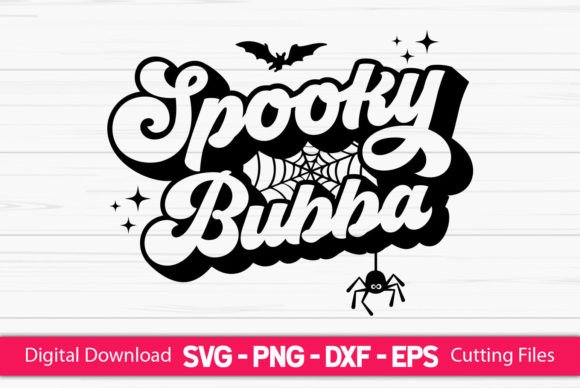
The moment you see Spooky Bubba, you get a sense of whimsy mixed with a little Halloween flair. The character is cartoonish but retains enough detail to stand out as a unique machine embroidery design. Its exaggerated features—like wide eyes and a big smile—are well-proportioned, making it instantly recognizable even at smaller sizes. The layout is balanced, and the overall shape is friendly, which helps it appeal to a broader audience than just horror enthusiasts.
This design has a distinct visual personality that could easily become a signature element in your craft business or Etsy shop. It feels like something that would make a cute addition to custom apparel or holiday gifts, especially around October. But more importantly, it’s versatile enough to work beyond seasonal themes if used creatively.
Real-World Applications: Where It Shines
Let’s talk about how Spooky Bubba translates into finished products. For example, imagine using this design on a custom sweatshirt for a boutique. The bold outlines and minimal shading help maintain stitch clarity, which is essential when working with children’s clothing or baby items where details can get lost. On a tote bag, the design stands out well due to its large central focus and clean lines—perfect for creating a personalized gift or small shop product.
When considering applique design options, Spooky Bubba works particularly well for satin stitch or layered fill stitch techniques. The character’s face and limbs are defined with enough contrast to pop without overwhelming the fabric. As a decorative accent, it adds just the right amount of personality without being too busy. This makes it ideal for things like aprons, pillow covers, or even kitchen towels where a subtle touch of fun is appreciated.
I’ve also seen potential in using it for embroidered patches. The print-ready SVG format means it’s easy to cut and apply manually if needed. Whether you’re planning to sell these as standalone items or attach them to caps, hats, or jackets, the design’s structure supports that kind of application. Just be sure to test the size and spacing before finalizing production.
Commercial Use and Brand Consistency
If you're an Etsy seller or part of a small shop product line, consistency is key. Spooky Bubba has the potential to become a recurring motif in your branding. Its clear lines and stylized form allow it to blend seamlessly into collections of similar designs while still standing out. For instance, pairing it with other Halloween-themed elements or using it in printable mockups could give customers a consistent and cohesive view of your offerings.
As a digital embroidery file, it’s important to confirm licensing if you plan to use it commercially. While the description doesn’t specify terms, it's best practice to verify whether the file allows resale of finished products or digital assets. This will ensure your handmade product or design preview stays within legal boundaries.
Where Caution Is Needed
While Spooky Bubba is visually appealing, there are some scenarios where it might require extra attention. If you're working with very small hoop sizes, such as for earrings or tiny tags, the design’s larger proportions may need scaling down significantly, which could affect stitch quality and detail retention.
Textured fabrics like canvas or denim can pose challenges. The fine facial lines and expressive features may not stitch as crisply on these materials unless you adjust stitch density and use proper stabilizer. Thin or stretchy fabrics should also be approached carefully, as the character’s weight distribution could lead to puckering or distortion during stitching.
Dark fabric backgrounds might mute the design’s impact, so consider thread color choices that provide strong contrast. Testing the design in black and white mockups before committing to colored threads can help avoid surprises. Also, curved surfaces like caps or hats may cause misalignment in corners or limbs, so it’s wise to review the design’s adaptability to non-flat surfaces.
Stitch Clarity and Fabric Considerations
One thing I noticed while testing the design is that dense stitch areas around the eyes and mouth could benefit from a bit of thinning. While the design is generally well-balanced, overly tight stitches might cause bulkiness or stiffness in certain fabrics. A running stitch outline or reduced fill density in those spots could improve the hand feel and durability of the finished product.
For baby embroidery or nursery decor, where softness matters, I’d recommend using a light stabilizer and adjusting stitch density slightly. You want the design to be visible but not uncomfortable against sensitive skin. Similarly, for items like blankets or tea towels that undergo frequent washing, checking how the design holds up after multiple cycles is a smart move.
Practical Designer Notes
- Test on scrap fabric first: Especially if you’re using it for a new project type like cap embroidery or holiday gift tags.
- Check thread color contrast: Ensure the colors you choose work well on both light and dark fabric backgrounds.
- Review stitch density: Adjust if you notice bunching or stretching in specific areas of the design.
- Confirm hoop size: Some parts of the design may require a larger hoop for full visibility and stitch integrity.
- Inspect small details: The facial expressions and outlines are delicate, so make sure they translate clearly to your machine settings.
- Use proper stabilizer: Especially for stretchy or thin fabrics to prevent distortion.
- Test in black and white: To evaluate how the design functions without color.
- Compare light and dark fabric backgrounds: This helps determine visibility and overall visual appeal.
- Check whether it works for both personal and commercial projects: Spooky Bubba seems adaptable, but always verify based on your intended use.
- Confirm licensing before selling: Essential for any digital product or commercial embroidery endeavor.
Customer Appeal and Project Value
From a customer perspective, Spooky Bubba has the potential to be a hit. Its quirky expression and approachable style suggest it could attract parents looking for personalized baby items, fans of Halloween-themed merchandise, or anyone wanting a lighthearted touch on their handmade product. It elevates the visual appeal of any project it’s applied to, adding character without overdoing it.
In terms of product value, incorporating this design can increase perceived quality and uniqueness. Whether it’s a sweatshirt embroidery or a tote bag design, the character adds a story behind the item. And as a creative entrepreneur, that kind of storytelling is what builds buyer engagement and brand recognition.
Giftability and Professional Presentation
Spooky Bubba is inherently giftable. Its seasonal theme makes it perfect for holiday embroidery, but its gentle tone also works year-round for personalized gifts or boutique branding. When stitched cleanly and presented professionally, it enhances the giftability of items like pillow covers, aprons, or even custom wedding gifts.
For small business owners or crafters aiming for a polished look, this design contributes to a professional presentation. Its structured form and clean edges align well with modern embroidery trends, giving your finished product a fresh and intentional feel. However, keep in mind that it’s not a minimalist design—it’s meant to draw attention and evoke emotion, which can be both a strength and a consideration depending on your target market.
Final Thoughts for the Craft Community
Spooky Bubba isn't just another Halloween graphic—it's a thoughtful, scalable design that can bring charm to a variety of crafts and graphics projects. As someone who regularly evaluates embroidery designs for real-life use, I appreciate that it offers flexibility without sacrificing visual appeal. It’s a solid choice for those in the craft business looking to add a standout feature to their product lineup.
That said, every machine embroidery design needs to be treated with care. Take time to understand how it behaves on different materials and adjust accordingly. With the right preparation and attention to detail, Spooky Bubba can become a trusted asset in your embroidery project toolkit.