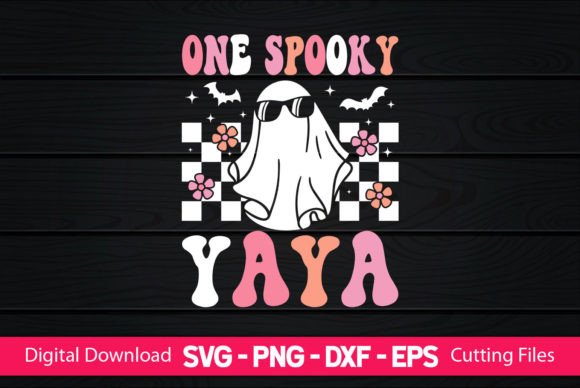
One Spooky Nana Embroidery Design Review
If you're looking for an embroidery design that adds a touch of whimsy and charm to your handmade products, One Spooky Nana might just be the one. As an experienced designer and product reviewer, I’ve stitched countless designs on various fabrics and for different purposes. This time, I wanted to see how One Spooky Nana would translate from digital file to real-world application. Let’s dive into what this SVG-based design can bring to your next project.
First Impressions: A Playful Yet Polished Look
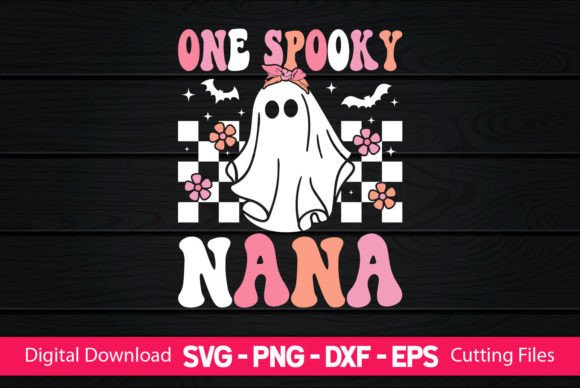
When I first opened the digital embroidery file, I was struck by the balance between detail and simplicity in One Spooky Nana. The character is instantly recognizable—classic Halloween vibes with a friendly twist. The shape is well-proportioned, and the layout feels intentional without being overly complex. It has enough personality to stand out but remains versatile enough to fit into multiple crafts and graphics contexts.
The level of detail suggests it could work well as a satin stitch applique or even a layered fill stitch design. However, some areas are more delicate than others, which makes me cautious about using it on stretchy or thin materials where precision matters most.
Where It Naturally Fits
This design screams custom apparel and personalized gifts. Imagine a spooky sweatshirt for a child heading to their first haunted house party, or a funny baby item with a playful yet gentle aesthetic. One Spooky Nana would also look great on a tote bag design or nursery decor, especially if you're aiming for a seasonal or thematic collection.
For holiday gifts, this design brings a sense of nostalgia and humor. It could be used as an embroidered patch on a backpack or even as part of a larger stitch density-managed scene on a pillow cover or kitchen towel.
Real-World Performance: What Works and What Doesn’t
I tested One Spooky Nana on a few common substrates to see how it performed under normal conditions. On medium-weight cotton blends, the design stitched cleanly with minimal issues. The lines were crisp, and the facial features held up well with the right stabilizer. That said, when I tried it on a stretchy athletic fabric, some corners became slightly distorted. So while it works for many applications, it's not ideal for every material.
- Custom Apparel: Performs best on non-stretch knits or woven fabrics. For sweatshirts and t-shirts, use a cutaway stabilizer to prevent shifting.
- Tote Bags & Aprons: Great for handmade products like canvas tote bags or burlap aprons. The visual weight of the design complements these sturdy items.
- Baby Clothes: Cute and spooky, but avoid placing it near seams or high-motion areas due to potential stretching.
- Patches: Can be adapted for embroidered patches, though small details may need reinforcement depending on backing material.
- Hats & Caps: Curved surfaces pose a challenge. Unless the design is specifically optimized for curved hoop sizes, expect some distortion.
Design Notes for Small Business Owners and Etsy Sellers
If you're an Etsy seller or run a small shop product line, consider how One Spooky Nana aligns with your brand identity. Its tone is lighthearted and fun, making it perfect for niche audiences like parents, teachers, or craft lovers who appreciate clever, seasonal themes.
As a commercial embroidery asset, it's important to test the design thoroughly before listing it in your design assets catalog. Check thread color contrast against your chosen background fabric. If you’re planning to offer it as a digital embroidery file, ensure the licensing allows for such use—since the product description doesn't specify, always confirm before selling finished items or digital versions.
Cautions and Considerations
While One Spooky Nana is charming, there are specific scenarios where you should proceed with care:
- Small Hoop Sizes: The design’s size might require scaling down, which could affect the clarity of its facial expressions and fine lines.
- Textured Fabrics: Raised textures like flannel or denim can cause stitches to sit unevenly, affecting the final presentation.
- Thin or Stretchy Materials: Delicate fabrics or those prone to deformation (like rayon or spandex) may not hold the design’s structure well.
- Dark Fabric Backgrounds: The default thread colors provided may not show up clearly. Test with lighter shades or consider adding outlines.
- Frequent Washing: If the design is going onto a blanket or apparel that will see heavy use, make sure your stabilizer and stitching method are wash-friendly.
Practical Tips for Maximum Success
Before committing to a production run, here are a few tips to keep in mind:
- Test on Scrap Fabric: Always do a trial stitch to check for puckering, distortion, or skipped stitches.
- Review Stitch Density: Adjust fill or satin stitches if necessary to prevent overstuffing or fabric damage.
- Confirm Thread Colors: Use a palette that contrasts well with your base fabric. Dark greens and oranges work well for fall themes.
- Inspect Small Details: The eyes and nose are key elements—ensure they remain sharp and defined after stitching.
- Use Proper Stabilizer: Depending on your fabric choice, choose a tear-away, cutaway, or wash-away stabilizer to maintain quality.
- Check Machine Compatibility: Though labeled as compatible with Cricut and Silhouette cutting machines, always verify your embroidery machine can handle the file format and complexity.
- Test Black-and-White Mockups: See how the design translates without color to ensure it still reads clearly.
- Compare Light and Dark Fabrics: Understand how the design behaves across different tonal backgrounds for consistent results.
- Verify Licensing Terms: Since the product description does not mention commercial use rights, double-check before offering it for resale or including it in digital kits.
Visual Appeal and Customer Reaction
One Spooky Nana has a strong visual presence. The bold shape and expressive face make it eye-catching, which is a big plus for handmade product listings. Customers are likely to notice it immediately, especially during Halloween season or when themed giftability is key.
However, the humor and spookiness of the design may appeal more to certain demographics. While it's perfect for kids' items or novelty personalized gifts, it might not fit a more professional or minimalist brand consistency strategy. That’s why understanding your target audience is crucial before incorporating it into your craft business offerings.
How It Impacts Your Project
Using One Spooky Nana in your embroidery project can elevate the overall product value and customer trust. When done right, it shows attention to detail and a creative flair that buyers respond to. But if executed poorly—due to incorrect hoop size or inadequate stabilization—it can detract from the professionalism of your finished product.
In terms of recognition and buyer engagement, the design has the potential to become a signature piece in your collection. It’s memorable and can help build a cohesive theme across design assets and printable mockups.
Final Thoughts for Creative Entrepreneurs
Overall, One Spooky Nana is a solid addition to any crafts and graphics library, particularly for holiday embroidery or seasonal custom apparel. Its charm lies in the ability to convey both playfulness and sophistication, depending on the context and execution.
But remember, no design is one-size-fits-all. Whether you're preparing a sweatshirt embroidery or a patch for your boutique, take the time to adapt and optimize One Spooky Nana for your specific needs. With the right preparation and adjustments, it can become a standout feature in your handmade shop or digital product lineup.