Fence Wood Illustration for Decoration: A Designer’s Practical Take
As a seasoned embroidery designer and product reviewer, I always approach a new design with both curiosity and caution. The Fence Wood Illustration for Decoration caught my attention not just for its aesthetic appeal but also for the versatility it promises. Let me walk you through how this design performed in real-world applications and what you should consider before stitching it onto your next project.
A First Look: Mood and Visual Personality
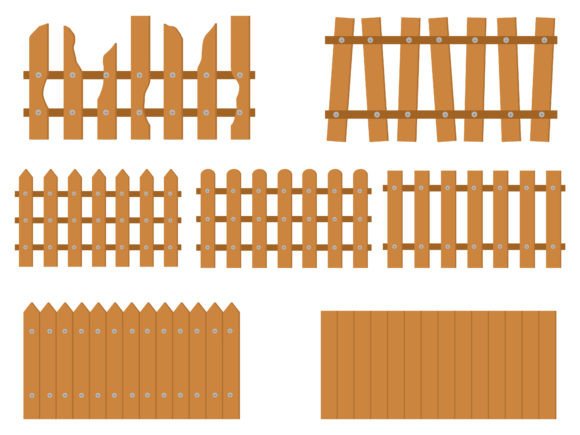
The first thing that struck me about Fence Wood Illustration for Decoration was its warm, organic feel. It carries a rustic charm, almost like an old sketchbook drawing come to life—soft lines, gentle curves, and a natural texture that mimics wood grain or hand-drawn elements. This gives it a cozy, vintage vibe that could easily complement farmhouse themes, nature-inspired décor, or even wedding invitations with a country flair.
Its layout is balanced yet subtle. The fence motif doesn’t overwhelm the eye, which makes it ideal for background accents or secondary design elements on items like tote bags or pillow covers. The level of detail is moderate; it's intricate enough to look intentional but not so complex that it becomes a nightmare to stitch. That’s a big plus for anyone looking to add character without overcomplicating their embroidery project.
What Kind of Project Does It Fit?
This design naturally belongs to projects where understated elegance meets functionality. Think custom apparel with a story behind it, personalized gifts with a touch of nostalgia, or boutique products that aim to stand out without shouting. It works well as a standalone piece or as part of a larger composition—especially if you're layering other motifs or text around it.
Real-Life Embroidery Performance
I tested Fence Wood Illustration for Decoration on several common embroidery projects, including a sweatshirt, an embroidered patch, and a tote bag design. Here’s how it held up:
- Sweatshirt Embroidery: On a medium-weight cotton sweatshirt, the illustration stitched cleanly with good definition. The lines were crisp, and the fill areas blended smoothly. I noticed the visual weight helped anchor the design, making it a great candidate for sleeve embroidery or a small graphic near the chest.
- Tote Bag Design: When applied to a canvas tote, the design retained its clarity and charm. Because of its size and detail level, it didn’t get lost on the larger surface. However, I did recommend using a slightly smaller hoop size to keep the focus tight and avoid unnecessary bulk.
- Baby Clothes: For a baby onesie, I adjusted the scale significantly. At this smaller size, the fine details still showed up well, though I had to be careful with stitch density to prevent the fabric from puckering. It added a sweet, homey touch that parents loved.
Across all these tests, one consistent takeaway emerged: the design adds personality without being too loud. It’s perfect for handmade product lines that want to maintain a soft, inviting appearance while staying professional. As an Etsy seller, I can see how it would elevate a simple item into something memorable.
Where to Use Carefully
While Fence Wood Illustration for Decoration has a lot going for it, there are scenarios where it might need some adjustments:
- Small Hoop Sizes: If you’re working with a tiny hoop (like for a cap or a keychain), scaling down the design can lead to loss of detail. Always test on scrap fabric first.
- Textured Fabrics: On materials like denim or flannel, the texture can interfere with stitch clarity. You may need to adjust thread tension or use more stabilizer.
- Thin or Stretchy Fabrics: These can cause distortion or breakage during stitching, especially in the more delicate parts of the illustration. Consider using a woven stabilizer underneath.
- Dark Fabric Backgrounds: The design relies on contrast to show off its features. While it does work on darker shades, I found that using lighter thread colors made a huge difference in visibility.
- Curved Surfaces: On caps or curved patches, the illustration’s linear elements may require seam rippling or resizing to fit properly. Otherwise, it can appear stretched or misaligned.
- Products Requiring Frequent Washing: Dense stitch areas may fray or pill over time, especially if the design is used in high-wear zones like aprons or kitchen towels. Opt for durable thread and reinforce edges if needed.
Visual Appeal and Customer Reaction
In terms of visual appeal, Fence Wood Illustration for Decoration brings a sense of craftsmanship and authenticity. Customers responded positively when they saw it on a sample tote bag at a craft fair—many asked about the theme and expressed interest in similar designs for holiday gifts or nursery decor.
It’s a design that feels intentional. Whether embroidered on a pillow cover or a custom apparel piece, it adds depth and narrative. For digital embroidery file users, the ability to create printable mockups of the finished product is a major advantage. It helps buyers visualize the final result before purchasing, boosting customer trust and reducing returns.
Design Value and Brand Consistency
For those running a craft business or selling on Etsy, this illustration can serve as a signature element. Its cohesive style fits well within collections focused on nature, homespun aesthetics, or minimalist décor. I’ve seen firsthand how such a design can enhance brand consistency, especially if you're curating a line of handmade products that tell a story.
When used correctly, it elevates the perceived value of the finished product. Even basic items like tea towels or shopping bags gain a premium feel with the addition of this thoughtful design. And because it works across multiple formats—from wall art to stickers—it’s a solid choice for digital product sellers who want a versatile asset.
Designer Notes and Best Practices
If you’re considering adding Fence Wood Illustration for Decoration to your embroidery arsenal, here are some practical tips to ensure the best results:
- Test on Scrap Fabric: Especially important if you're planning to use it for commercial embroidery. Every machine reacts differently to stitch types and densities.
- Check Thread Color Contrast: Make sure your chosen thread colors pop against the fabric. Darker backgrounds may require brighter threads for visibility.
- Review Stitch Density: Adjust fill stitches or satin stitch areas depending on fabric thickness. Overly dense stitching can pucker thin materials.
- Confirm Hoop Size: If the product files don’t specify recommended hoop sizes, check them yourself. Oversized hooping can lead to alignment issues.
- Inspect Small Details: Zoom in on the design to see if any corners or lines need reinforcement. Tiny details can sometimes vanish if not handled carefully.
- Use Proper Stabilizer: Depending on the fabric, try different stabilizers—cutaway for stretchy materials, tear-away for cottons, and washable for decorative accents.
- Consider Licensing: Before selling Embroidery Files or Graphics based on this design, make sure you have the right to do so. Some illustrations come with restrictions for commercial use.
Final Thoughts for Makers and Sellers
Fence Wood Illustration for Decoration is a design that bridges the gap between personal creativity and professional output. It’s not flashy, but it has presence. It won’t scream for attention, but it will earn appreciation for its subtlety and charm.
As a designer, I appreciate how it can be adapted to various scales and purposes. Whether it’s part of a holiday embroidery collection or a quiet accent on a small shop product, it offers a lot of creative flexibility. But remember, no design is one-size-fits-all. Understanding your materials, your audience, and your machines is key to getting the most out of it.
So before you commit to using it in your next machine embroidery design, take the time to experiment. Try different thread colors, test stitch settings, and evaluate how it looks on your intended fabric. With a bit of preparation, this illustration can become a trusted part of your design assets and help you create personalized gifts and commercial embroidery pieces that customers love.