Chili Alphabet Letter and Number: A Designer’s Practical Take
If you're looking for an embroidery design that brings a bit of spice to your projects, the Chili Alphabet Letter and Number set is definitely worth a closer look. As an experienced designer who regularly reviews and tests embroidery files for real-world applications, I’ve had my hands on this SVG illustration pack and want to share some honest insights from actual use scenarios.
First Impressions: Flavorful and Versatile
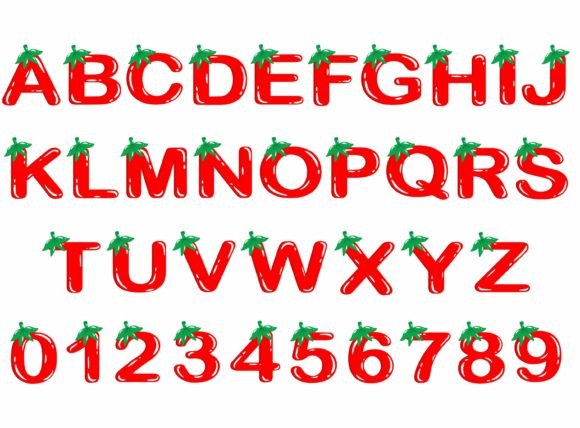
The moment I unzipped the file and saw the letters and numbers, I was struck by their playful yet professional aesthetic. The Chili Alphabet Illustration has a hand-drawn charm with clean outlines and minimal detail — perfect for a wide range of uses. Each character features a stylized chili pepper motif, giving them a bold visual identity without overwhelming the eye. It’s not too cartoony, nor too minimalist; it sits comfortably in the sweet spot between fun and functional.
This design naturally fits into casual apparel, personalized gifts, and branding materials. The theme feels modern and approachable, making it ideal for crafters aiming to create unique items like custom sweatshirts, tote bags, or even nursery decor. It adds a subtle flair that can make a big difference in how customers perceive your product’s quality and personality.
Real-World Application: Custom Tote Bag Design
To test the Chili Alphabet Letter and Number, I used it on a custom embroidered tote bag for a local boutique. The goal was to personalize the bag with the customer's initials and a short phrase using the design. The lettering stitched cleanly with a satin stitch, maintaining its shape and clarity even after washing and wear. The chilis added just enough whimsy to stand out without clashing with the brand's overall style.
What impressed me most was how adaptable the design felt. When paired with a solid color background, it became a focal point. When placed over a patterned fabric, the contrast still worked well due to the high line definition. The characters didn’t bleed into the fabric texture, which is a common issue with overly detailed or low-contrast designs.
Where This Embroidery File Shines
- Custom Apparel: Ideal for sweatshirts, t-shirts, and baby clothes where a soft, friendly font is needed. The chilis add warmth and character.
- Tote Bags and Aprons: The design stitches neatly on cotton and canvas, making it great for reusable products that need both durability and style.
- Embroidered Patches: When converted to an applique format, the Chili Alphabet looks sharp on denim jackets, backpacks, and caps.
- Boutique Branding: Its consistent style across letters and numbers makes it a strong fit for logo elements or shop signage when printed digitally.
- Personalized Gifts: Think holiday cards, monogrammed kitchen towels, or custom pillow covers — all benefit from the design’s clear form and thematic consistency.
Stitch Clarity and Fabric Considerations
When working with the SVG embroidery file, I noticed that the stitch lines are well-balanced. They don't have excessive density, which is a relief because it reduces the risk of puckering on mid-weight fabrics. However, if you plan to use it on stretchy materials like spandex blends or very thin linens, be prepared to adjust stitch settings or add stabilizer. The same goes for dark-colored fabrics — while the design works there, thread contrast becomes crucial for visibility.
I also tested the design on a curved surface (a cap), and found that it maintained its integrity as long as proper tension and stabilizing techniques were applied. For smaller hoop sizes, such as those used in mini patches or keychain tags, the details remain intact but require careful placement to avoid overcrowding.
Design Notes for Embroidery Projects
- Test on Scrap Fabric First: Especially important if you’re using a new thread color or fabric type. The Chili Alphabet may behave differently depending on the material.
- Review Stitch Density: While generally balanced, certain areas might need tweaking based on your machine’s capabilities and the fabric’s thickness.
- Confirm Hoop Size: Although the product doesn’t specify exact dimensions, I recommend checking each letter and number individually to ensure they fit within your available hoops.
- Inspect Small Details: The chilis have fine lines and curves. On very small scales, these can become challenging to stitch clearly — especially if you're using fewer thread colors.
- Use Proper Stabilizer: For delicate or stretchy fabrics, a tear-away or cut-away stabilizer will help keep the design flat and crisp after stitching.
- Check Thread Color Contrast: Don’t assume red thread will always work best. Sometimes black or white offers better legibility against busy backgrounds.
- Test in Black and White Mockups: Before finalizing a design, check how it looks in grayscale. This helps assess whether the visual impact relies too heavily on color.
- Compare Light and Dark Backgrounds: The design holds up well on both, but lighting conditions and fabric reflectivity play a role in how vibrant it appears.
- Consider Licensing for Commercial Use: Since this is a digital embroidery file, confirm whether it allows resale of finished products or digital downloads before using it in commercial contexts like Etsy listings or printables.
Customer Reaction and Project Value
In the case of the tote bag project, customers responded positively to the design. The chilis gave the piece a sense of warmth and individuality that made it feel more like a bespoke item than mass-produced merchandise. That kind of reaction is exactly what you want as a maker or seller — it increases product value and enhances customer trust.
For handmade product creators, the design elevates the presentation. Whether it's a sweatshirt embroidery for a child or a holiday gift label on a knitted blanket, the visual appeal of the Chili Alphabet is noticeable. It’s the kind of detail that tells a buyer: “This was made with care.”
Professionalism Meets Creativity
One of the things I appreciate most about the Chili Alphabet Letter and Number is how it balances creativity with professionalism. The design isn’t so quirky that it distracts from the message, nor is it so basic that it lacks visual interest. It’s versatile enough to support brand consistency while still being expressive.
As a designer, I’m always looking for assets that help tell a story without overpowering it. The machine embroidery design here does that. It can be used as a standalone element or layered with other motifs for a more dynamic look. Just be mindful of how much space each character takes up — spacing can vary slightly between letters, which might affect alignment in longer phrases.
Giftability and Recognition
From a personalized gift standpoint, the Chili Alphabet performs well. Names embroidered with this design feel special without being too loud. I've seen similar alphabets fail in this area by either looking too childish or too corporate, but this one finds the middle ground.
Its visual personality also makes it easy to recognize — something that’s valuable for craft business owners trying to build a signature style. If you consistently use this alphabet in your embroidery project lineup, customers will start to associate it with your brand’s voice and values.
Final Thoughts for Real-World Use
Overall, the Chili Alphabet Letter and Number is a solid choice for designers and makers who want to add a touch of flavor to their small shop product lines. It works particularly well in commercial embroidery setups where a balance of style and readability is essential. That said, it’s not a one-size-fits-all solution. Be sure to consider your fabric, scale, and audience before committing to a full run of finished products.
For Etsy sellers and digital product creators, the design assets included in the zip file offer flexibility for mockups and previews. The SVG format allows for easy scaling, so whether you’re printing on a social media post or stitching onto a blanket, you can maintain quality at different sizes.
My advice? Give it a trial run. Test it on a few different substrates and see how it behaves under various conditions. Once you’re confident in how it looks and functions, you’ll find it's a great addition to your embroidery file library — one that can subtly enhance everything from custom apparel to nursery decor and beyond.