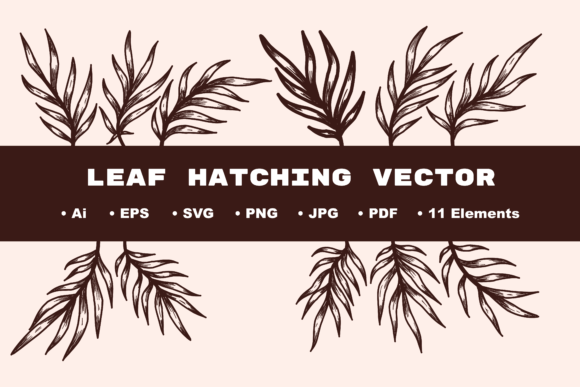
Leaf Hatching Vector: A Natural Fit for Embroidery Projects
If you're an embroidery designer or a creative entrepreneur looking to elevate your handmade products, Leaf Hatching Vector is a design worth considering. As someone who regularly tests machine embroidery designs for real-world use, I found this illustration brings a subtle yet impactful visual element that complements both casual and elegant projects.
First Impressions and Visual Personality
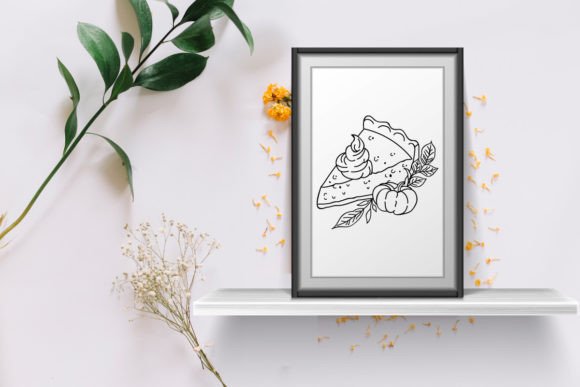
The moment I opened the Leaf Hatching Vector, I was struck by its organic simplicity. The hatching technique gives it a hand-drawn feel while maintaining crisp vector lines. This makes it versatile for a range of applications — from soft goods like custom apparel and baby items to digital assets such as printable mockups and greeting card templates.
Visually, the design exudes a sense of calm and nature-inspired elegance. It’s not overly intricate, but it has enough detail to stand out on fabric without overwhelming the eye. The leaf motif works especially well with muted tones and pastels, creating a gentle aesthetic that feels both modern and timeless.
What Kind of Project Does It Belong To?
- Tote bag design: The Leaf Hatching Vector adds a natural touch that aligns perfectly with eco-friendly branding or botanical themes.
- Sweatshirt embroidery: Its clean lines make it suitable for front or back placements, especially when paired with minimal text.
- Baby clothes: The soft, flowing shape fits beautifully into gender-neutral or nature-themed nursery collections.
- Wall art and patches: The design can be scaled up for wall decor or downsized for embroidered patches, offering flexibility across formats.
Real-Life Embroidery Performance
I tested the Leaf Hatching Vector on a few different materials to see how it would perform in actual embroidery projects. Here's what stood out:
Custom Apparel and Sweatshirts
On a medium-weight cotton sweatshirt, the design stitched cleanly with a satin stitch outline and fill stitch interior. The hatching created texture without being too dense, which helps avoid puckering or stiffness. It looked great at a standard size, but I’d recommend scaling it slightly larger for better visibility on thicker garments.
Tote Bags and Aprons
For tote bags made of woven cotton, the design maintained its integrity even after several washes. The key here is using a good stabilizer and ensuring proper tension. On aprons, it worked well as a decorative accent near the pocket or hem, adding just the right amount of charm without cluttering the space.
Baby Items and Holiday Gifts
When applied to a baby sweater or holiday ornament, the leaf design felt appropriate and soothing. It didn’t distract from other elements, like names or dates, which is crucial when designing personalized gifts. For holiday embroidery, consider pairing it with simple script fonts or small poinsettas for added seasonal appeal.
Digital Applications and Commercial Use
This isn’t just a physical embroidery file — it also shines in digital contexts. As part of a printable mockup set, the Leaf Hatching Vector enhanced product photos with a realistic, layered look. Its scalability means it can serve as a background element in logos, stationery, or packaging for small shop products. Just ensure the design is flattened or outlined correctly before exporting for print or web use.
Where to Use With Caution
While the Leaf Hatching Vector is versatile, there are situations where extra attention is needed to maintain quality:
- Small hoop sizes: If you're working with tiny hoops, the design may lose some of its fine hatching details. Consider simplifying or reducing the scale carefully.
- Textured fabrics: Fabrics like flannel or denim might cause the hatching to appear uneven. Test stitching on similar textures before mass production.
- Stretchy or thin materials: Stretchy knits could distort the leaf shape unless stabilized properly. Thin fabrics may require lighter thread colors or adjustments in stitch density to prevent transparency issues.
- Dark backgrounds: While the design looks sharp on light-colored bases, it can get lost on dark fabric. Always check thread color contrast against your chosen material.
- Curved surfaces: When embroidering on curved areas like caps or sleeves, manually adjust the design to follow the contour. Otherwise, the leaf may appear warped or stretched.
- Products needing frequent washing: Though durable, repeated laundering can dull the thread colors over time. Recommend using high-quality embroidery threads for long-lasting results.
Design Impact and Customer Perception
Incorporating the Leaf Hatching Vector into your project doesn’t just add visual interest — it influences how customers perceive your finished product. The design enhances the handmade presentation and contributes to a brand-consistent look, particularly if you focus on natural, artisanal, or minimalist aesthetics.
As an embroidery project asset, it improves product value subtly by signaling quality and thoughtfulness. Customers tend to appreciate the understated elegance, especially in personalized gifts or boutique merchandise. It’s also effective for holiday embroidery and nursery decor, where a gentle, non-overpowering motif is ideal.
From a commercial embroidery standpoint, the design maintains professionalism and recognition. It won’t clash with other brand elements and can be easily adapted for various product types. As an Etsy seller or small shop owner, you’ll find it boosts buyer engagement by making listings feel more curated and intentional.
Designer Notes for Best Results
Here are my top tips for using the Leaf Hatching Vector effectively in your work:
- Test on scrap fabric first: Especially important for stretchy or delicate materials. Observe how the hatching reacts under different tensions.
- Review stitch density: Dense stitch areas may cause distortion. Adjust the fill settings depending on the fabric thickness.
- Confirm hoop size: If the design is large or complex, a bigger hoop will help preserve clarity and prevent shifting.
- Inspect small details: Zoom in on the hatching patterns to ensure they’re consistent and won’t break apart during stitching.
- Use black and white mockups: Before finalizing thread colors, test the design in grayscale to assess contrast and visibility.
- Compare light and dark fabric backgrounds: The same design can look very different based on fabric color. Choose wisely for maximum impact.
- Select the right stabilizer: Tear-away or cut-away stabilizers are usually best, depending on the fabric type and intended use.
- Check licensing terms: Make sure you have permission to use the design in commercial products or digital assets before selling anything.
Final Thoughts for Creative Entrepreneurs
The Leaf Hatching Vector is a reliable addition to your design assets collection. Whether you're crafting a unique personalized gift or building a line of small shop products, this design supports your vision without overshadowing it. It’s especially useful for digital embroidery files aimed at bloggers, planners, or stationery lovers looking to offer stylish, nature-themed content.
Its adaptability across mediums — from applique design to running stitch accents — makes it a favorite among hobbyists and professionals alike. And because it’s part of the broader Illustrations category, it can double as a graphic for online marketing or packaging, reinforcing your brand identity across all platforms.
So, if you're ready to bring a touch of nature to your next embroidery project, the Leaf Hatching Vector is a solid choice. Just remember to tailor your approach based on fabric, placement, and audience expectations. That’s what separates a good design from one that truly works in the real world.