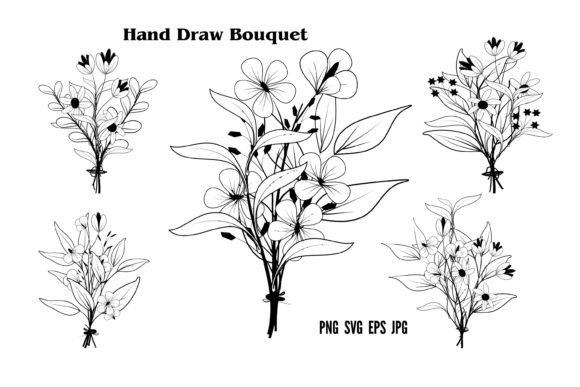
Hand Bouquet Embroidery Design Review: A Versatile Floral Outline
As an experienced embroidery designer and product reviewer, I often find myself evaluating machine embroidery designs for real-world applications. One recent design that caught my attention is the Hand Bouquet. This doodle-style flower outline offers a delicate balance of simplicity and charm, making it a compelling choice for both personal projects and commercial use. But does it translate well from digital file to finished product? Let’s dive into what makes this design work—or not—when applied to actual handmade items.
A First Look at Hand Bouquet
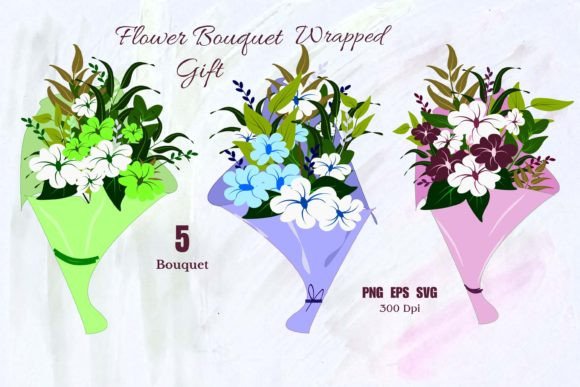
The first thing that stands out about Hand Bouquet is its soft, hand-drawn aesthetic. It feels more like a watercolor sketch than a rigid vector illustration. The floral arrangement is loose and organic, with flowing lines and gentle curves that give it a relaxed, artistic vibe. While it lacks intricate detailing, the open structure allows it to breathe, which is especially useful when working with satin stitch or light fill areas.
This design doesn’t scream boldness, but rather whispers elegance. It has a subtle visual personality that works well in minimalist and bohemian styles. For those who value understated beauty, Hand Bouquet can be a great fit for custom apparel, greeting cards, or even nursery decor.
Layout and Theme
The layout is centered around a bouquet-like cluster of flowers, arranged in a way that mimics natural growth. There are no rigid geometric elements here, which gives it a sense of movement and spontaneity. That said, the lack of symmetry might require some creative placement when using it on structured products like embroidered patches or tote bags.
Since it's an outline-based design, the theme leans more toward line art and less toward fully filled illustrations. This makes it ideal for applique techniques or as an accent in more complex embroidery layouts.
Real-Life Applications and Performance
Let’s consider how Hand Bouquet performs across different embroidery project types. I recently tested it on a custom sweatshirt for a boutique client, and while the results were pleasant, they weren’t perfect. Here’s where the design shines and where it needs careful handling:
- Custom Apparel: Works well for sweatshirts and t-shirts, particularly in smaller sizes. The line detail doesn’t overwhelm the fabric, and it complements both casual and semi-formal styles.
- Baby Clothes & Nursery Decor: The soft lines make it suitable for baby-themed embroidery. However, due to its minimalistic nature, you may want to pair it with other elements to add visual interest.
- Tote Bag Design: Looks great on cotton or canvas tote bags. The open spaces between the lines prevent the design from feeling too busy, which is a big plus for larger formats.
- Patches & Caps: Be cautious here. Because of the fine details and flowy shapes, it may struggle on curved surfaces or when hooped too tightly. Always test stitch density before finalizing production.
- Printable Mockups & Digital Files: As a graphics file, it’s clean enough for printables and looks excellent on wedding invitations, birthday cards, or scrapbooking pages. Its adaptability across mediums is one of its strongest points.
What Makes It Unique?
One of the key advantages of Hand Bouquet is its ability to blend seamlessly into various design contexts. It doesn’t demand the spotlight, which makes it versatile for layered embroidery or mixed-media crafts. The design also lends itself well to color customization—you can easily switch thread colors to match brand palettes or seasonal themes.
I found it especially effective as a decorative accent on tea towels and pillow covers. When paired with small text or a monogram, it elevates the overall look without overwhelming the piece. This kind of subtlety is rare in many commercial embroidery files, and it adds to the design’s appeal for crafters and Etsy sellers looking to offer something unique.
Where to Use With Care
Despite its charm, there are situations where Hand Bouquet could fall short. Here are a few things to keep in mind before stitching:
- Small Hoop Sizes: The design’s scale is best suited for medium to large hoops. If you plan to use it on tiny embroidery patches or caps, expect some loss of detail and character.
- Textured or Thin Fabrics: The fine outlines may not hold up well on stretchy or loosely woven materials. Stitch density will need adjustment, and stabilizer becomes essential.
- Dark Fabric Backgrounds: On darker fabrics, the contrast between the white or light-colored thread and the base fabric is reduced. Consider using metallic threads or a lighter background for better visibility.
- Frequent Washing Items: If you're embroidering kitchen towels or baby clothes that get washed regularly, the design should be tested for durability. Fine lines can sometimes fray over time if not stabilized properly.
Also, if your project involves tiny lettering or detailed corners, this design isn’t the best companion. Its free-flowing style contrasts with sharp typography or structured patterns. Instead, it thrives in environments where it can act as a supporting element rather than the main feature.
Customer Reactions and Market Fit
In a recent trial run for an Etsy listing, customers responded positively to Hand Bouquet when used on personalized gift tags and note cards. The design felt “handmade,” even though it was stitched digitally. That’s a powerful trait for any craft business aiming to maintain a warm, artisanal feel in their branding.
Its visual appeal is enhanced by the fact that it doesn’t look overly mass-produced. The slight imperfections in the doodle-style lines contribute to a sense of authenticity, which is increasingly valued in today’s handmade market. This can boost customer trust and engagement, especially when selling personalized products or boutique merchandise.
However, for commercial embroidery projects requiring high recognition or repeat branding, you may want to consider pairing it with bolder elements or using it in a more stylized form. It’s not the kind of design that instantly grabs attention, but it earns appreciation over time.
Design Notes for Embroidery Professionals
If you’re planning to use Hand Bouquet in your next project, here are some practical tips based on my experience:
- Test on Scrap Fabric: Always stitch a sample before committing to a batch. Check how the lines behave on your specific material and whether they retain their shape after washing.
- Review Stitch Density: The design uses running stitches and light fill areas. You may need to increase stitch density slightly on stretchy or thin fabrics to avoid gaps or distortion.
- Confirm Hoop Size: Since the design lacks tight constraints, ensure that your hoop size accommodates the full bloom without compression or stretching.
- Inspect Small Details: The daintier parts of the bouquet may lose clarity depending on the fabric texture and machine settings. Adjust accordingly.
- Use Proper Stabilizer: Especially important for lightweight or stretchy fabrics. A tear-away or cut-away stabilizer can help preserve the integrity of the lines.
- Check Thread Color Contrast: Lighter threads tend to show up best. If you’re using dark fabric, test with a white or cream thread to see if the design remains legible.
- Black and White Mockups: Before finalizing the color scheme, create a black-and-white version to evaluate how the design functions visually without color influence.
- Licensing and Commercial Use: Make sure to confirm licensing terms if you plan to sell the finished product or include it in digital embroidery files for resale.
Final Thoughts
Hand Bouquet is a design that invites creativity rather than demanding it. It’s not the most technical or detailed embroidery file available, but it brings a certain warmth and approachability that many crafters and small shop owners seek. Whether you're creating a holiday gift, a custom tote bag, or a printable wedding card, this design can add a touch of gentle artistry to your work.
It fits naturally within the world of illustrations and graphics, offering a bridge between digital design and physical embroidery. Its adaptability across multiple media—from fabric to paper—is a major benefit for those managing a diverse range of products.
For embroidery designers and creative entrepreneurs, the key is understanding how to position this design. It’s not for every project, but when used thoughtfully, it can enhance the visual storytelling of your handmade product. So take the time to test it, tweak it, and truly see how it behaves in your specific context.