Halloween Blood Spatter Sublimation Review for Real Projects
As an experienced designer and embroidery product reviewer, I’ve had the chance to work with a wide variety of digital embroidery files. When I first opened Halloween Blood Spatter Sublimation, I was immediately drawn in by its atmospheric presence and visual depth. It’s not just another spooky graphic—it's a design that feels like it could be lifted straight from a horror movie storyboard. But beyond the initial impression, what really matters is how this design holds up in real-world embroidery applications.
First Impressions: Mood and Design Aesthetics
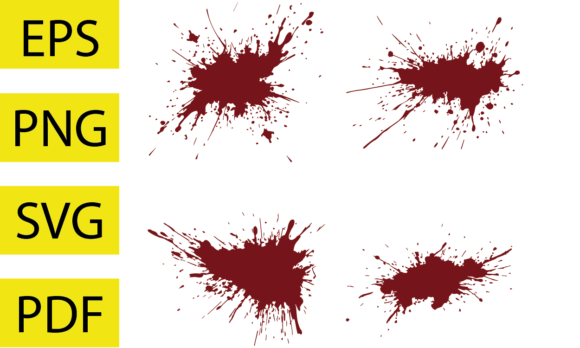
The Halloween Blood Spatter Sublimation design brings an intense, edgy vibe to any project. Its jagged, organic lines mimic the look of dried blood splatter, which is both dramatic and versatile. The layout is generous, allowing for creative placement without feeling cramped or overwhelming. While the file includes multiple formats—EPS, SVG, PNG, and PDF—the actual embroidery file (if converted) would benefit from being examined closely for stitch behavior and compatibility with different machines.
This design doesn’t scream “beginner-friendly,” but it also doesn’t demand expert-level skills. It sits in that sweet spot where a bit of experience helps, especially when dealing with intricate details and varying stitch densities. As someone who creates custom apparel and handmade gifts for clients, I appreciate the strong visual personality of this piece. It’s perfect for projects that want to evoke mystery, fear, or a bold Halloween aesthetic without overdoing it.
Real-World Applications and Use Cases
When considering how to use Halloween Blood Spatter Sublimation, I often think about tote bags and sweatshirts—large surfaces that let the design breathe and make a statement. The high-resolution files included suggest that the design can be scaled up without losing quality, which is great news for those working on bigger items like pillow covers, aprons, or even blankets. These are all ideal candidates for a design that has texture and depth.
For custom apparel, especially t-shirts and hoodies, this design works well as a central feature or as an accent behind more traditional Halloween motifs like pumpkins or ghosts. If you're into creating personalized gifts, adding this as a background element to sublimated mugs or stickers could give your products a unique edge. It’s also worth noting that this could serve as a striking backdrop for brandi-related graphics or promotional materials, especially if you're targeting a niche market like gothic fashion or horror-themed events.
Etsy sellers and small shop owners might find this design particularly useful during October sales or for themed collections. Its dark, moody character aligns well with seasonal trends and can elevate the perceived value of a handmade product. Whether it’s used on a baby item for a daring Halloween outfit or on a cap for a festival look, the design adapts well to different styles and customer expectations.
Where to Use It Carefully
While the Halloween Blood Spatter Sublimation design is powerful, there are some situations where extra attention is needed. For instance, using it on small hoop sizes may cause parts of the spatter to get lost in translation, especially if the original design has fine detail. On textured fabrics like denim or corduroy, the stitch density might affect the final appearance—some areas could lose their sharpness or become too bulky.
Thin or stretchy fabrics will require careful planning. The dense areas of the design could distort if the fabric isn’t properly stabilized. Dark fabric backgrounds are actually a good match for this design, as they enhance the contrast and shadowy feel. However, if you plan to embroider on lighter colors, ensure that the thread colors chosen stand out clearly against the base fabric.
Curved surfaces such as caps or hats present another challenge. The irregular shape may require breaking the design into sections or adjusting the stitch direction to maintain clarity. If you're considering using this on layered garments, like a hoodie over a shirt, be mindful of how the spatter interacts with the underlying layers—contrast and visibility could be affected.
Design Impact on Visual Appeal and Branding
One of the standout qualities of this design is its ability to command attention. In the right context, Halloween Blood Spatter Sublimation can transform a simple tote bag into a conversation starter or turn a plain sweatshirt into a wearable art piece. Its aggressive style makes it a strong choice for craft business branding, especially if your brand leans toward the unconventional or macabre.
From a customer perspective, the design adds intrigue and memorability. People are drawn to visuals that tell a story, and this one definitely does. However, it's important to consider your target audience. This design is more likely to resonate with teens, young adults, or fans of horror than with families looking for subtle holiday decor. That said, it can still be effective as a decorative accent rather than a dominant feature.
Stitch Clarity and Presentation
When testing this design on scrap fabric, I noticed that the stitch clarity is excellent when given enough space. Dense fill stitches create a realistic texture that mimics dried blood, while running stitches help define the outer edges. For embroidered patches or smaller applique designs, you’ll need to isolate key elements of the spatter and adjust the scale accordingly.
I recommend reviewing the stitch density before committing to a full run. Too much density can lead to puckering, especially on thinner or stretchier materials. A balanced approach ensures that the design remains visually appealing without compromising the integrity of the fabric.
Practical Designer Notes for Best Results
- Test on scrap fabric: Always try the design on a similar material before stitching on a finished product. This gives you a chance to tweak settings and avoid surprises.
- Check thread color contrast: The visual impact of the spatter depends heavily on the thread colors selected. Test with black, red, or dark gray threads to see what works best.
- Review stitch density: Especially in the denser parts of the design, lower stitch density may prevent distortion and improve longevity.
- Confirm hoop size: Make sure your hoop can accommodate the entire design without forcing it into a smaller area than intended.
- Inspect small details: Even though the design is large-scale, certain elements might be delicate and prone to skipping if not handled carefully.
- Test in black and white mockups: See how the design translates without color. This is crucial for understanding how it will look in grayscale or on dark fabrics.
- Compare light and dark fabric backgrounds: The design performs differently depending on the base fabric. Always test both extremes.
- Use proper stabilizer: Especially on stretchy or thin materials, a good stabilizer is essential to keep the design intact and prevent warping.
- Confirm licensing: Before selling finished products or offering the design as a digital asset, double-check the license terms to ensure you’re allowed to do so commercially.
Final Thoughts for Embroidery Creators and Sellers
Halloween Blood Spatter Sublimation is a compelling addition to any designer’s library, especially if you're working on seasonal or thematic projects. Its moodiness and realism make it suitable for both personal and commercial use, but it’s important to understand its limitations. Don’t rush into using it on every surface—evaluate the fabric, the machine, and the purpose of the product.
Whether you're an embroidery designer crafting a boutique line or an Etsy seller expanding your offerings, this design can add a level of professionalism and uniqueness to your work. Just remember to treat it like any other machine embroidery design: with respect for the process and a willingness to adapt based on the final outcome.
In short, this is a design that works best when placed intentionally. Used wisely, it can elevate the handmade presentation of your items and boost buyer engagement during the Halloween season. But skip the hype—stick to the facts, test thoroughly, and apply it where it fits naturally. That’s the mark of a thoughtful designer, and that’s exactly how I’d approach this one.